If you clicked into this post, you are probably interested in puffiness or swelling.
Lately, potassium supplements keep coming up as water pills for puffiness in social media ads.
When slim, good-looking influencers say they take it and saw results on their swelling, it is only natural to get curious.
Among the many things that make the body swell, one of them really is ‘excess sodium intake’.
Which is why potassium supplements, the ingredient that helps flush sodium out of the body, are on the market in the first place.
But did you know that while potassium supplements do help with swelling, taking them wrong can turn them from a help into a hazard?
I have laid it out so anyone can follow it, and I hope this post helps you pick a potassium supplement that is safe for you.
Let us get started.
Contents
1. The main cause of swelling: a potassium shortfall
2. Potassium side effects & recommended intake
3. Choosing a potassium product
That is how this post is organized.
If you are here only for the product recommendation, skipping straight to 3. Choosing a potassium product will still tell you what you need.
1. The Main Cause of Swelling: A Potassium Shortfall
Of all the causes of swelling, most come down to excess sodium.
Of all the things that make your body and face swell, most come down to eating too much sodium.
In excess, sodium triggers osmosis, making cells hold on to water, and it is the textbook cause of edema.
Let me walk through it with images so it is easier to follow.
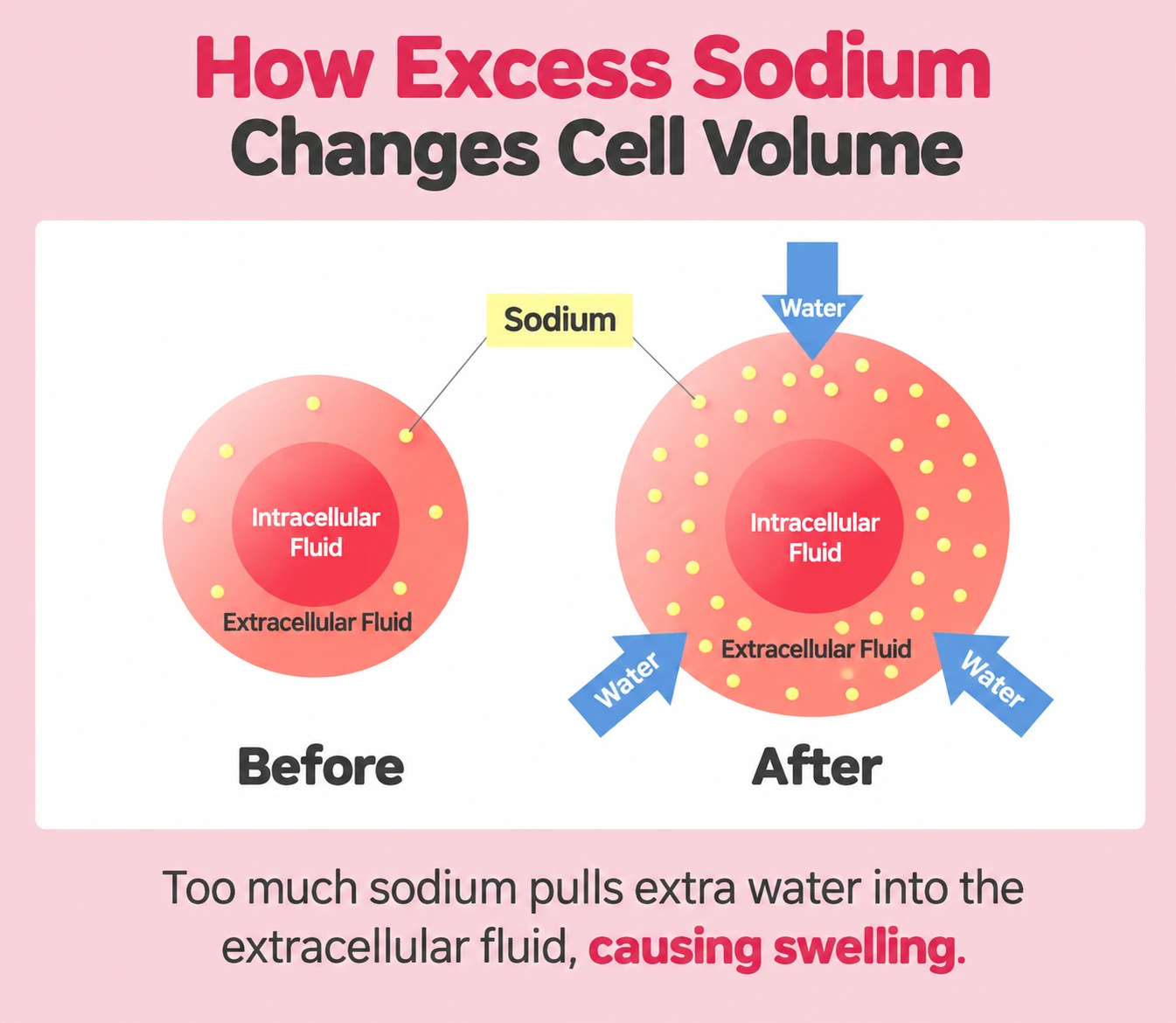
Eat salty, heavily seasoned food and your body ends up with too much sodium.
When there is excess sodium in the body, the osmotic concentration rises inside the cells.
* What is osmosis? Water moving from an area of lower concentration to one of higher concentration
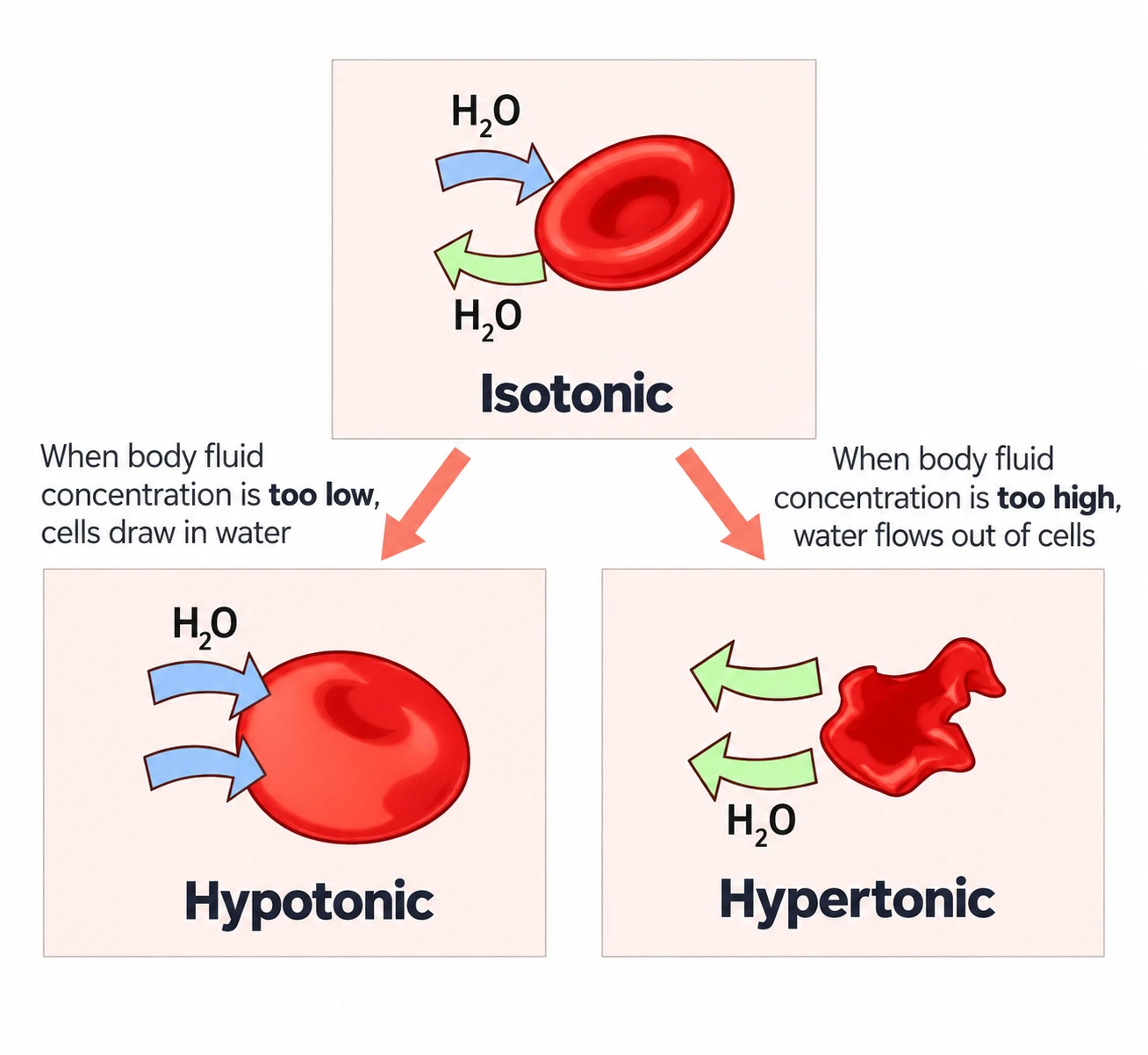
Normally, when body fluid is too concentrated, water leaves and the cell shrivels. When it is too dilute, the cell pulls water in and swells.
By that logic the cells should shrivel as water leaves. But because the sodium was never flushed out even as osmotic concentration shot up, the cells pull in water with everything they have in order to maintain homeostasis.
So when you eat food loaded with sodium, osmosis pushes water out of the cells and into the surrounding tissue, and the tissue swells.
The end result is more total water in the body, and cells soaked with that water grow in volume and puff up.

The problem is that cutting sodium is genuinely hard when takeout and eating out are the norm.
For anyone who needs the swelling down fast, or who wants to keep it in check day to day, there is one method that works most immediately.
It is potassium intake, which happens to be today’s topic.
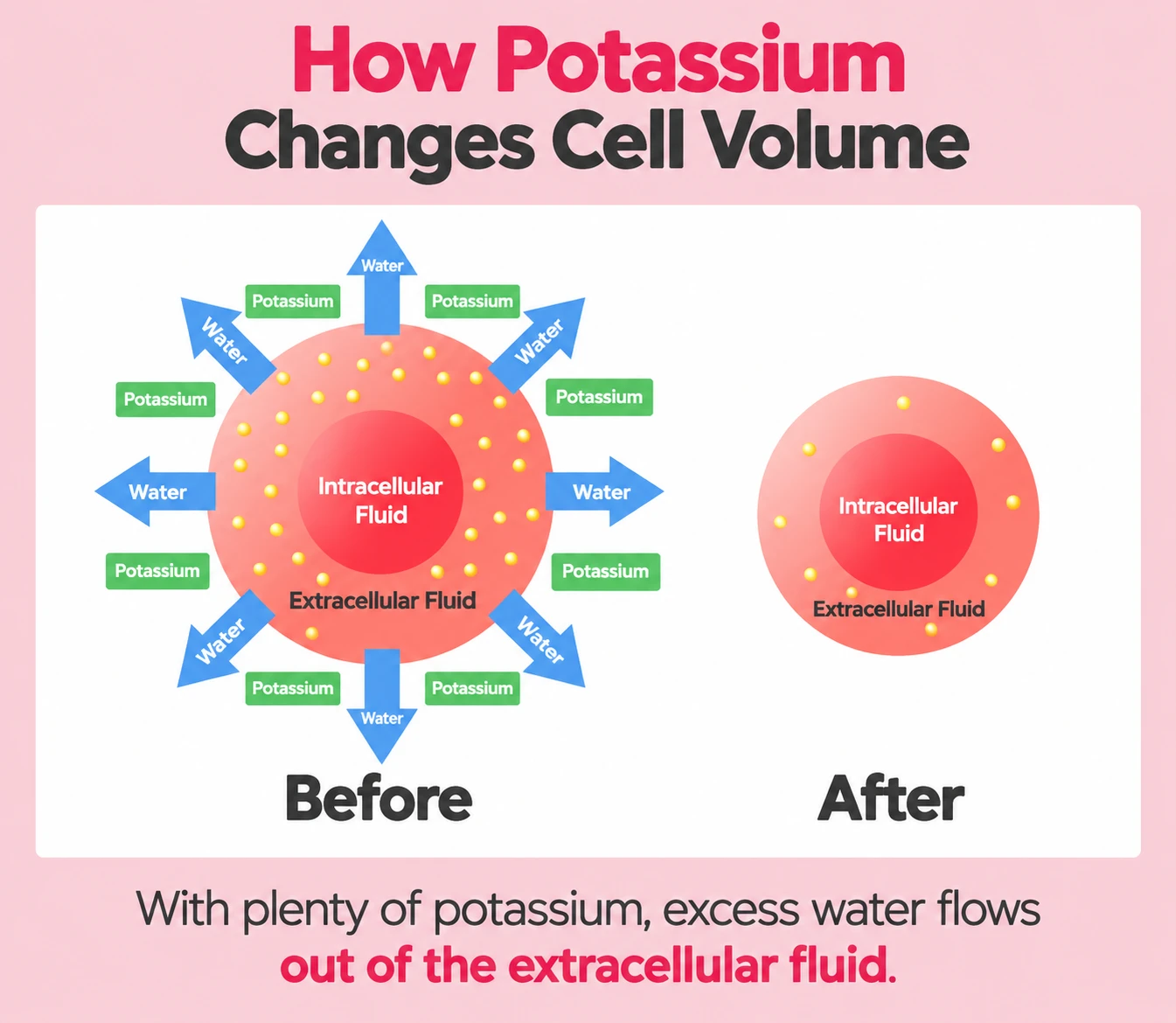
This is where potassium comes in, promoting sodium excretion and easing the swelling.
Sodium and potassium exist in the body at a 1:1 ratio. They are essential minerals that regulate osmotic pressure inside cells and govern fluid balance and swelling.
I imagine quite a few of you already take potassium supplements because they help flush sodium, reduce swelling and support dieting.
Potassium really does matter for reducing swelling, so raising your intake is a good move.
As I touched on above, cutting sodium is not easy, and most people who eat out often are eating salty. So sodium intake runs high while potassium intake falls badly short.
Typical intake ratio
Sodium ▲ Potassium ▼
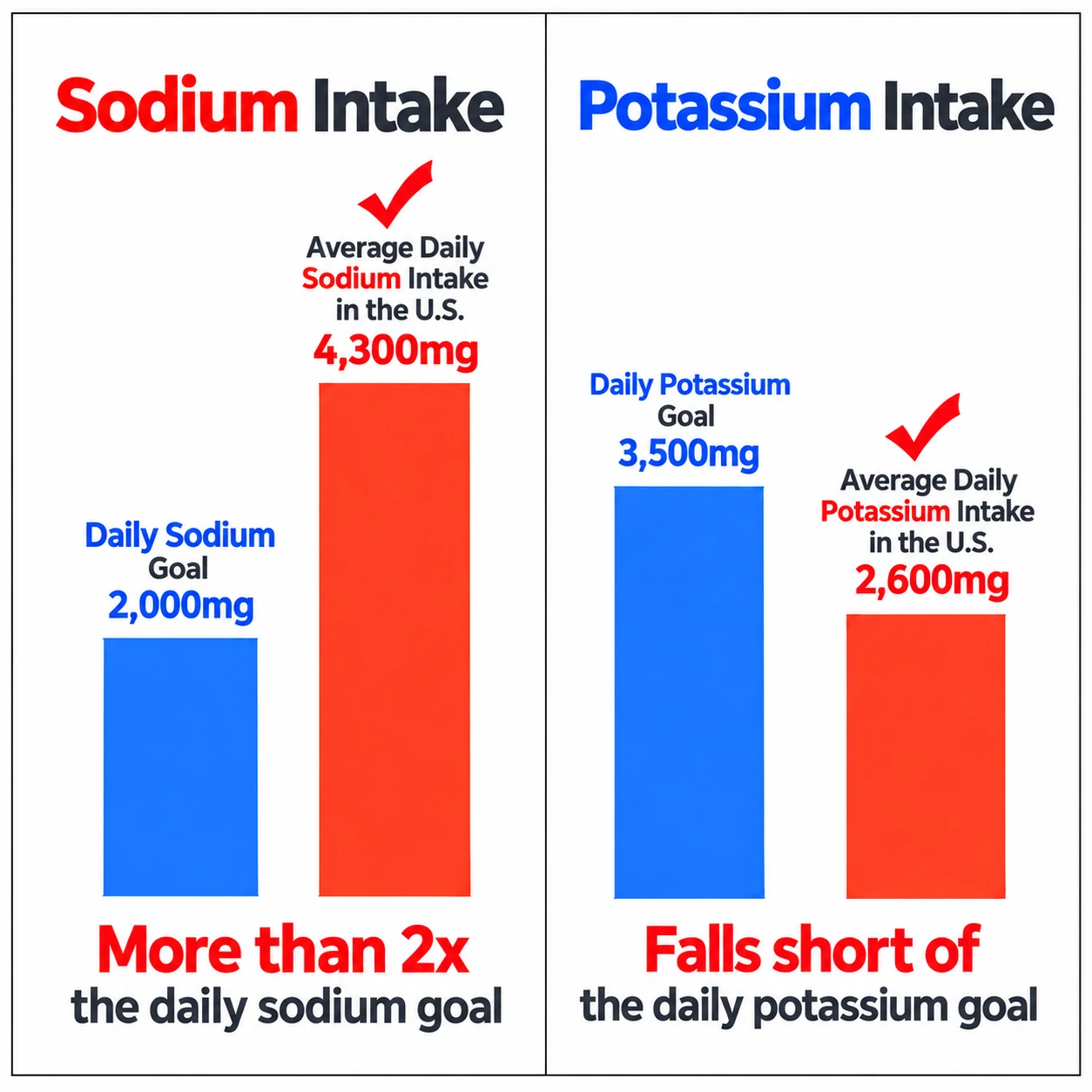
On the left are the World Health Organization’s daily targets for sodium and potassium. On the right is what people actually take in on an average day.
In other words, we are eating more than twice the recommended sodium while falling short of the potassium target.
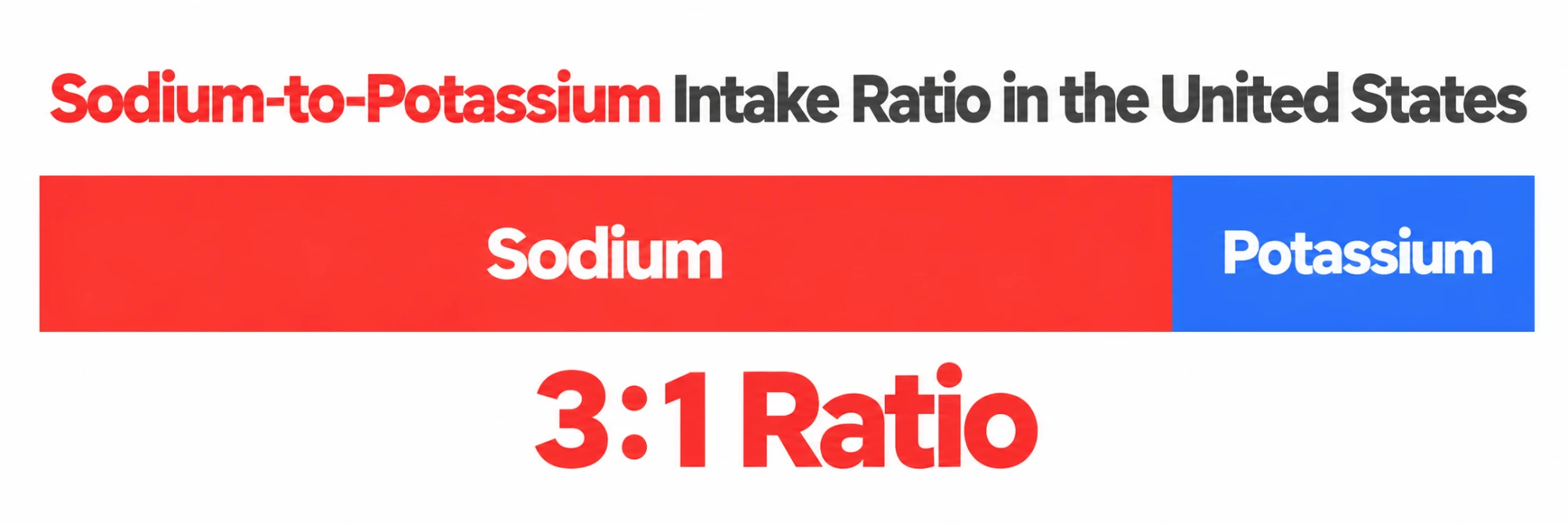
Convert the daily recommended amounts of 2,000mg sodium and 3,500mg potassium into moles, and the molecule counts come out at exactly 1:1. That 1:1 balance is what you want.
But convert what people actually eat into moles, and the ratio comes out at sodium : potassium = 3 : 1.
Looked at as a ratio, we are taking in roughly three times more sodium than potassium.
Sodium regulates osmotic pressure and fluid balance, carries nerve signals and drives muscle contraction, so it is essential to homeostasis and basic physiological function and you do need enough of it.
But taking in too much sodium can cause problems throughout the body.
When blood sodium climbs, the first thing to show up is edema, or swelling. Let it continue and it can lead to chronic conditions such as high blood pressure, or degrade kidney function to the point of causing chronic kidney failure.
So keeping salty food in check and taking potassium to help flush sodium are both essential.
2. Potassium Side Effects & Recommended Intake
So to get rid of swelling, I should just take a lot of potassium, right?
You can probably guess my answer. Absolutely not.
Potassium supplements, the water pills you see everywhere, do help fill a shortfall, but in excess they stop being a help and become a hazard.
Too little is bad for the body, but so is too much.
If you are short on potassium and reach for a product that was not designed with any science behind it, you can end up with too much potassium in your blood instead, which is hyperkalemia. (Literally, problems caused by an excess of potassium in the blood.)
You started taking a mineral for your health, so running into this would defeat the point.
That is why keeping potassium at a sensible, safe amount matters more than anything if you want to avoid hyperkalemia.
So how much is the right amount?
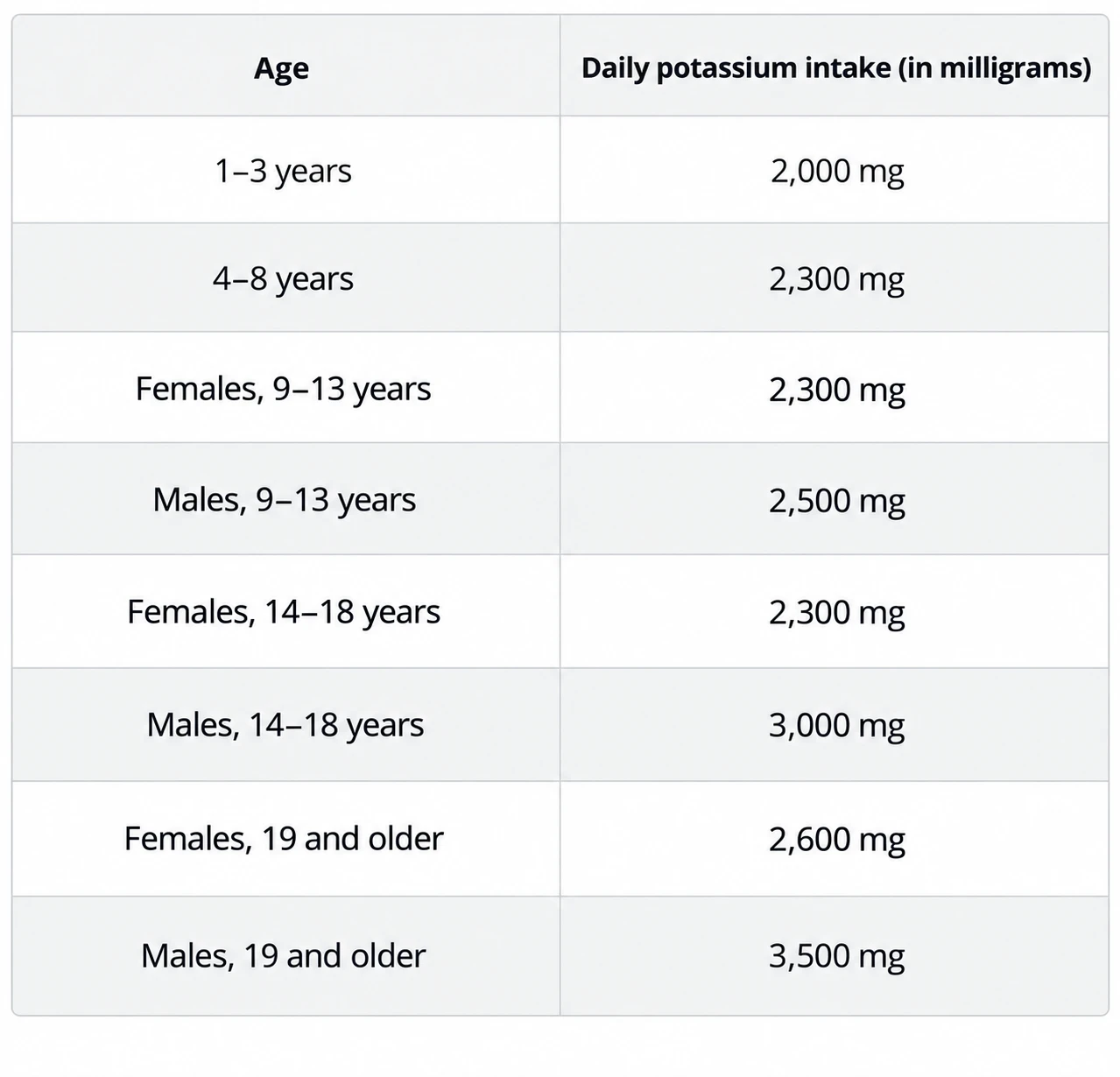
According to the National Academies of Sciences, Engineering, and Medicine (NASEM)[1], the recommended daily potassium intake for adults, which is also the safe intake, is 3,500mg.
That does not mean you should be supplementing 3,500mg of potassium.
It means potassium from food + a little extra = 3,500mg total.
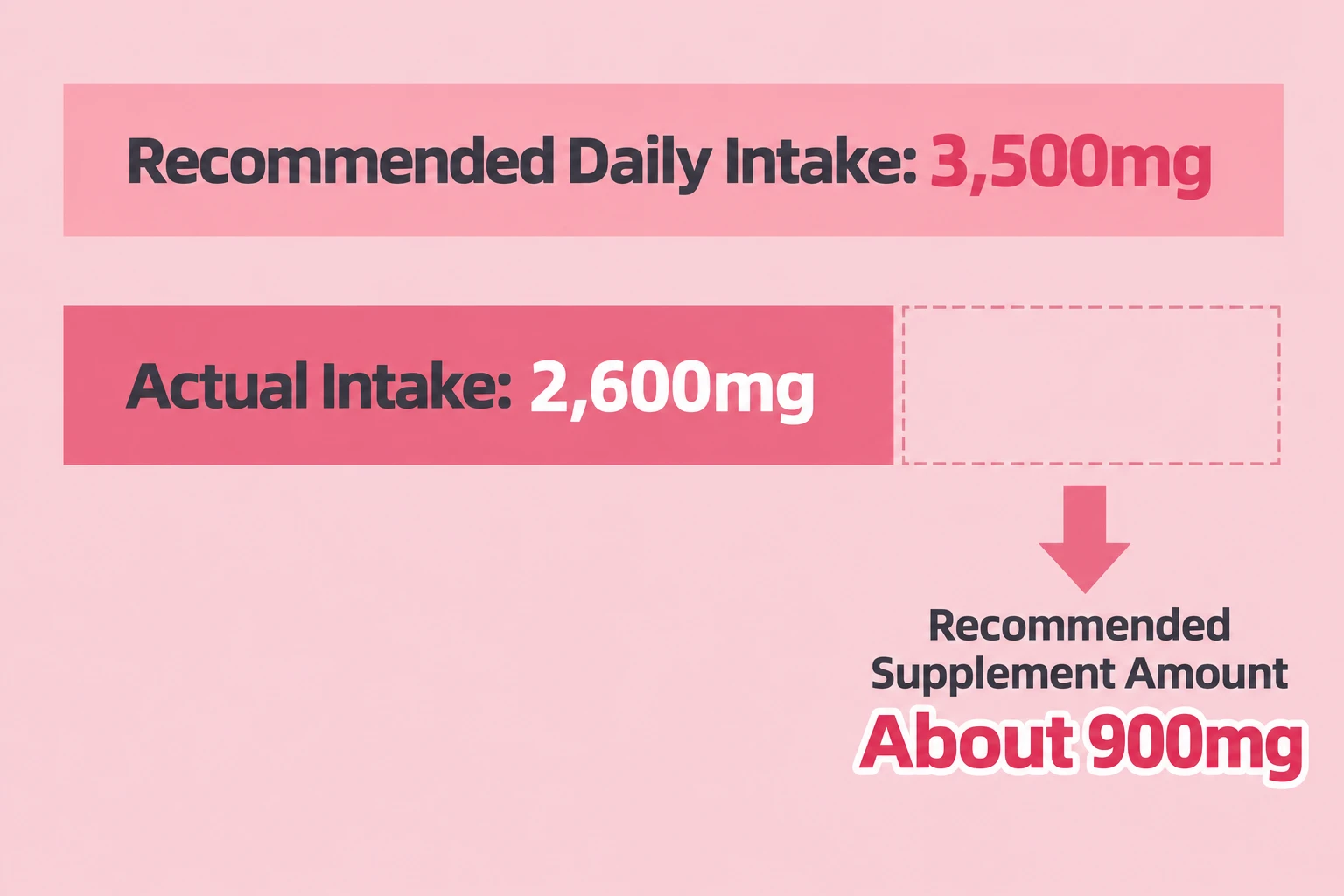
According to NASEM, most adults generally take in about 2,600mg of potassium a day from food.
So if you want to top up with a supplement without going over the daily recommendation, around 900mg is the safest and most effective amount.
3. Choosing a Potassium Product
Most swelling comes down to sodium and water, and nothing flushes water as effectively as potassium.
* If I leave out the product details I get messages asking for them, and if I name the product I get accused of running an ad, so I have taken down every image showing the product.
First off, I went through the potassium supplements sold as water pills, in tablet, powder and liquid form, and finding a decent one was not easy.
The best of the bunch was a ‘kmelain kombucha’ product.
* I have been told that even naming the product counts as advertising, so I will leave it there. Searching ‘kmelain kombucha’ will bring it up, so look it up yourself if you are curious.
Here is why I recommend this one.
Reason 1) A safe potassium dose
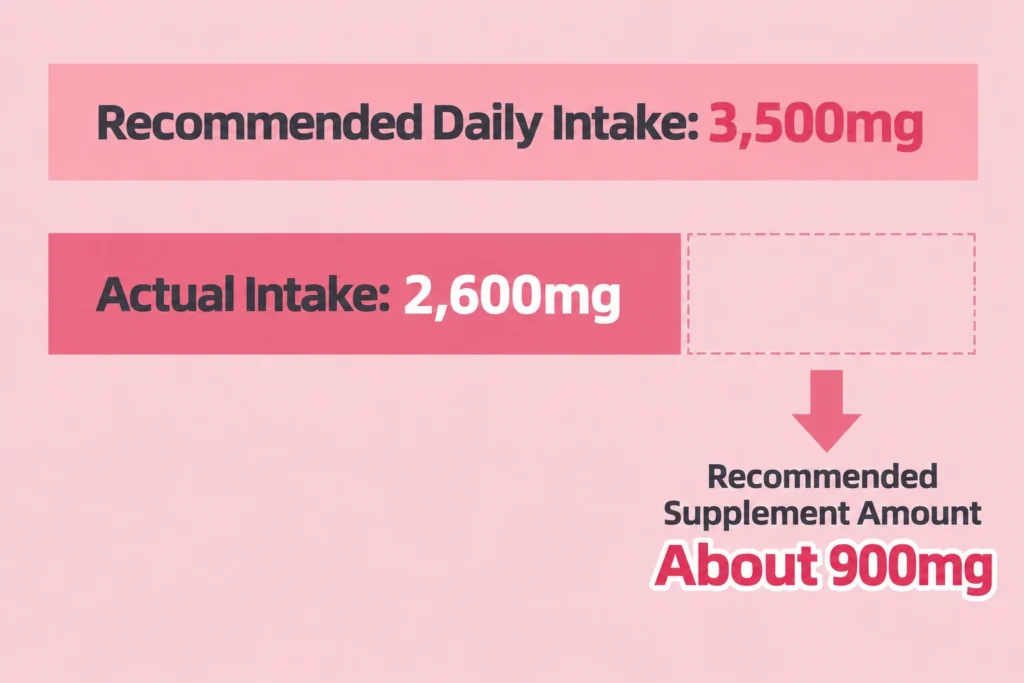
NASEM puts the daily recommended potassium intake at 3,500mg, and most adults get about 2,600mg of it from food.
As I explained, that makes around 900mg of potassium from a supplement the safest amount without going over the daily recommendation.
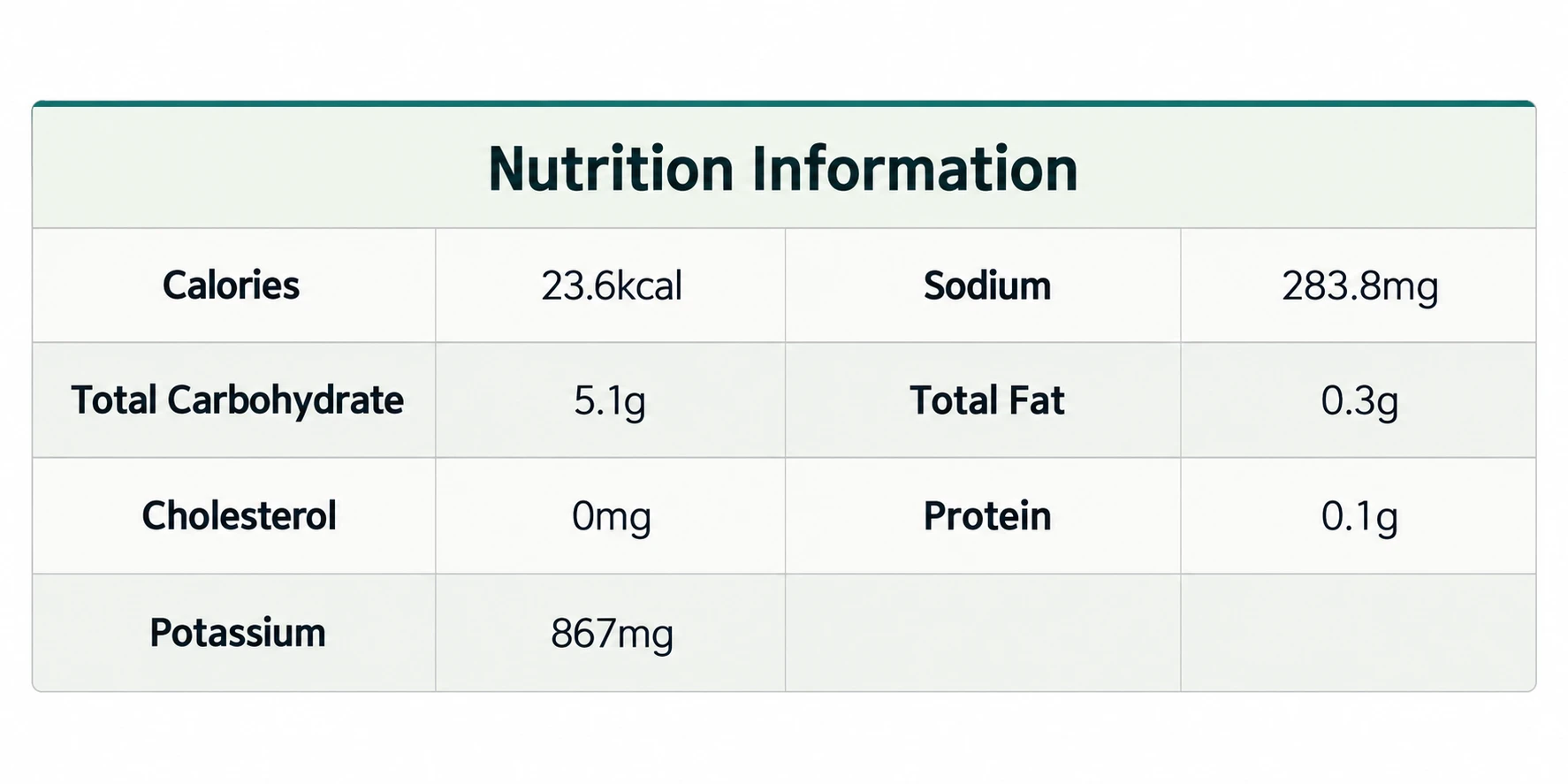
Potassium in particular can cause trouble in excess, so the right amount matters, and at close to 900mg per stick this one fit well.
I did find a few other products in the 800 to 1,000mg range, but the reason I singled this one out is that it contains bromelain, the ingredient used in medications for reducing swelling.
Reason 2) Contains bromelain

If it had only been potassium I probably would not have picked this one, but it is a product where potassium comes together with bromelain, which makes it a good fit for today’s topic.
Looking at the potassium and bromelain combination, it seems to have been launched specifically for comprehensive fluid management.

Bromelain is an enzyme derived from pineapple that breaks down protein and improves digestion, which improves nutrient absorption and can therefore also help improve potassium absorption.
On top of that, bromelain is a proteolytic enzyme also used as an anti-inflammatory enzyme, backed by solid research, and it is in active use as a medication for reducing swelling.
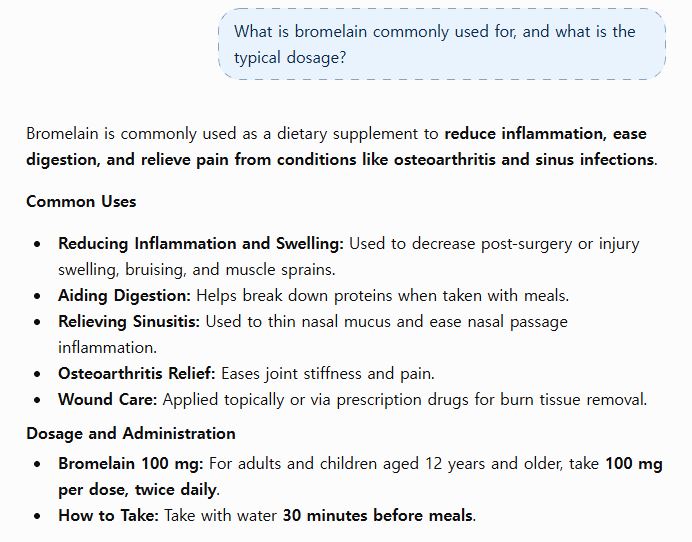
I asked an AI what bromelain actually does and what it’s good for. According to the answer, bromelain helps relieve inflammation that comes with swelling.
To get the swelling-reducing effect you’re looking for, you’d need about 200 mg of bromelain a day.
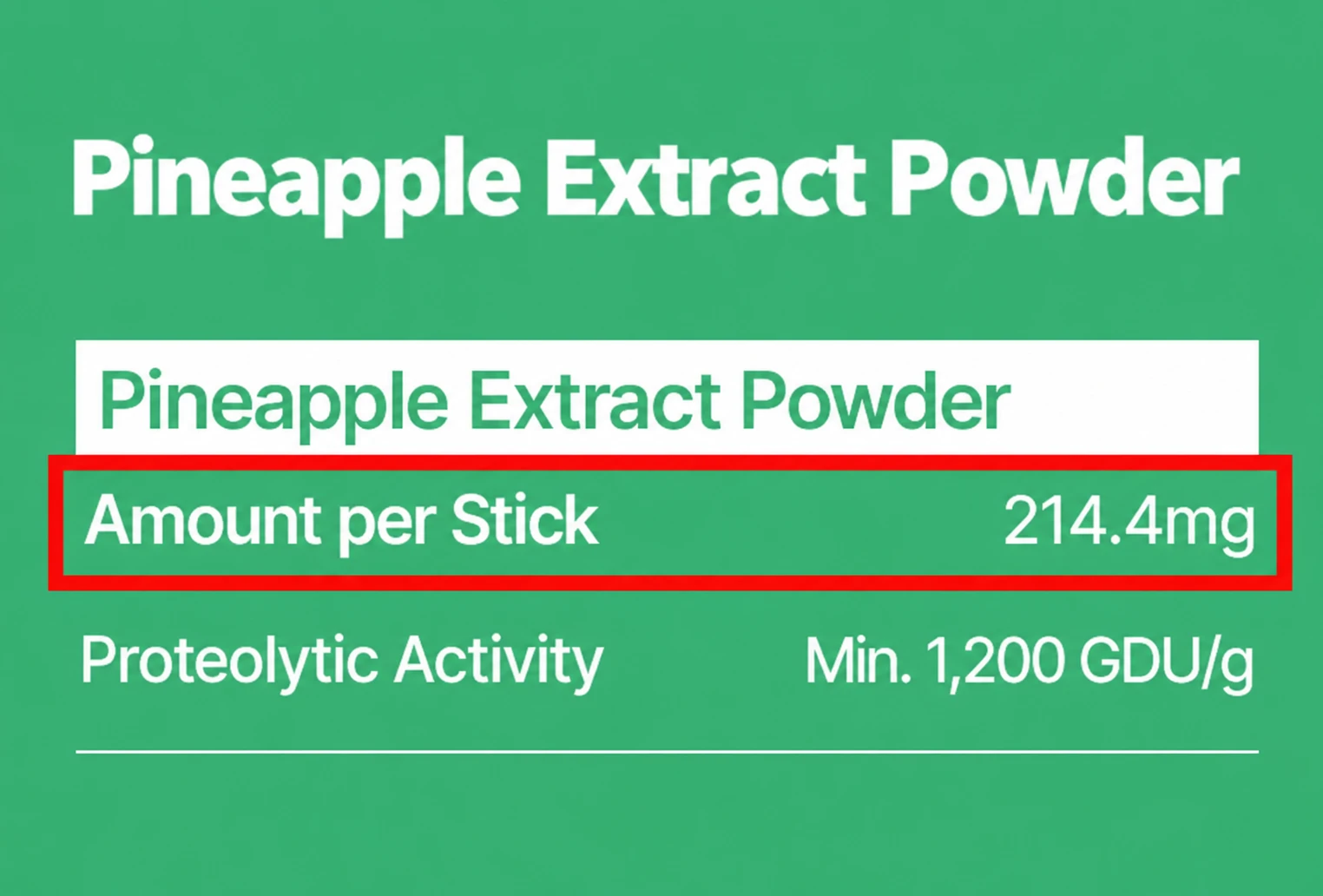
This product contains 214mg of bromelain per stick, which is a safe amount to take.
Most people looking for a potassium product are taking it to reduce swelling, and for them a product containing both potassium and bromelain delivers more synergy.
It also includes secondary ingredients tied to swelling, such as centella asiatica (a compound that strengthens blood vessel walls and helps prevent swelling), pumpkin and corn silk, which makes it a reasonable option when you need swelling under control quickly.
* I have removed the product name and all product photos. If you are curious about the product, searching ‘kmelain kombucha‘ will be enough to find what I am recommending, so please look it up yourself.
I hope what I covered today helps you find the product that fits you.
Thank you for reading.
References
[1] [NIH] Potassium – Fact Sheet for Health Professionals
https://ods.od.nih.gov/factsheets/Potassium-HealthProfessional/