Winter arrives with a biting wind, and the moment you step into the office, a wave of warm air from the heater greets you.
Your body finally warms up — but your eyes start screaming.
At 2 p.m., sitting right under the heater vent and staring down your monitor, your eyes feel bone-dry, and just keeping them open becomes a chore.
“Ugh, my eyes are so gritty.”
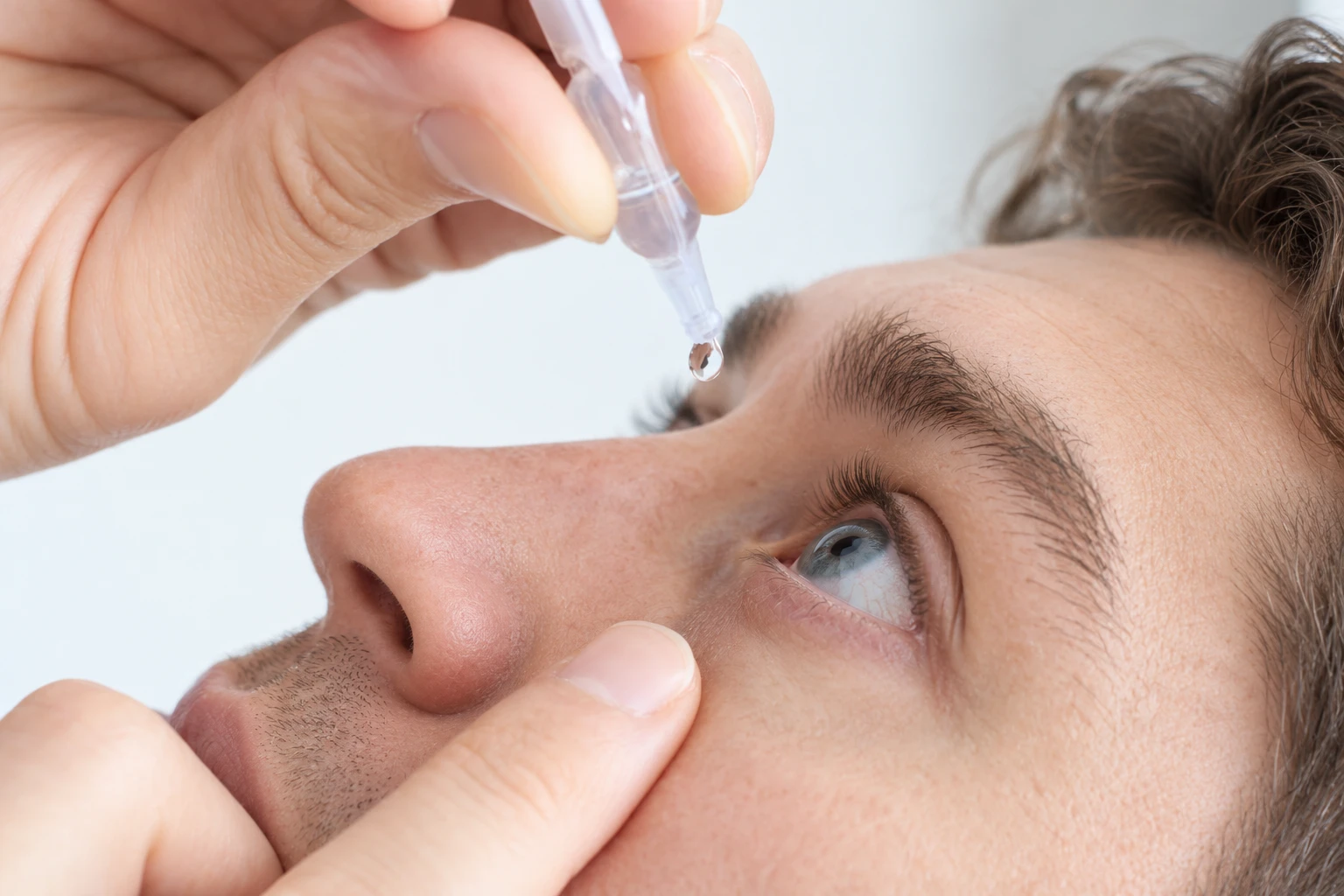
Out of habit, you tilt your head back and squeeze in a drop of artificial tears.
That moment of cool relief lasts barely five minutes before the heater blows the moisture away, and back comes that gritty feeling, like sand rolling around under your lids.
This is the complaint I hear most often from office workers who come into the pharmacy.
“I feel like my eyes are going to split open every winter.”
“I use artificial tears all day long and it does nothing.”
Let me be blunt with you.
Right now, you are pouring water into a bucket with a hole in the bottom.
Dry heater air is part of it, sure. But if the protective barrier on the surface of your eye has collapsed, no amount of expensive artificial tears will help.
Today, for everyone fighting a daily battle with artificial tears, I’m going to break down what you’ve been missing — the real cause of dry eyes in winter, and instead of just spraying water on the problem, ‘how to build your eyes’ own power to stay moist’ — from a pharmacist’s point of view.
* Contents
1. Why does dry eye happen?
2. Causes of dry eye
3. How to improve dry eye (★)
4. Final recap
1. What Is Dry Eye Syndrome?
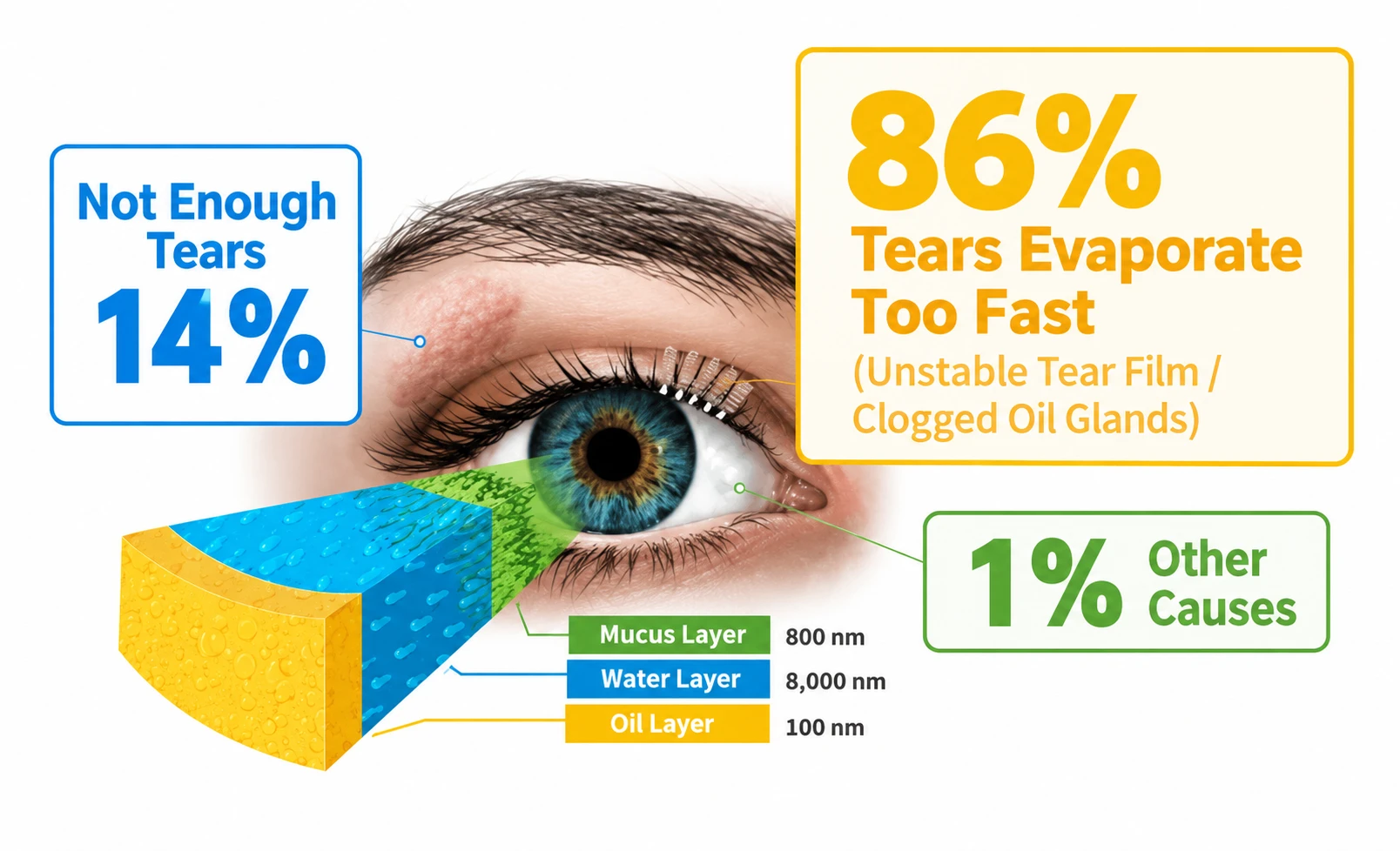
Dry eye syndrome is exactly what the name says: a state in which the eye is dry.
Most people assume, “So my eyes just don’t make enough tears, right?”
But the real culprit is something else.
It isn’t that tears aren’t being made — the problem is that they evaporate far too quickly.
Broadly speaking, there are two types of dry eye.
① Aqueous-deficient type
└ The tear factory has gone on strike
* Main symptoms : grittiness, dryness, stinging
When the tear glands are blocked and not enough tears are produced to protect the ocular surface, dry eye can develop.
That accounts for only about 10% of patients, so it isn’t the common case.
② Evaporative type
└ An unstable tear film lets moisture escape
* Main symptoms : foreign-body sensation, pain and other discomfort
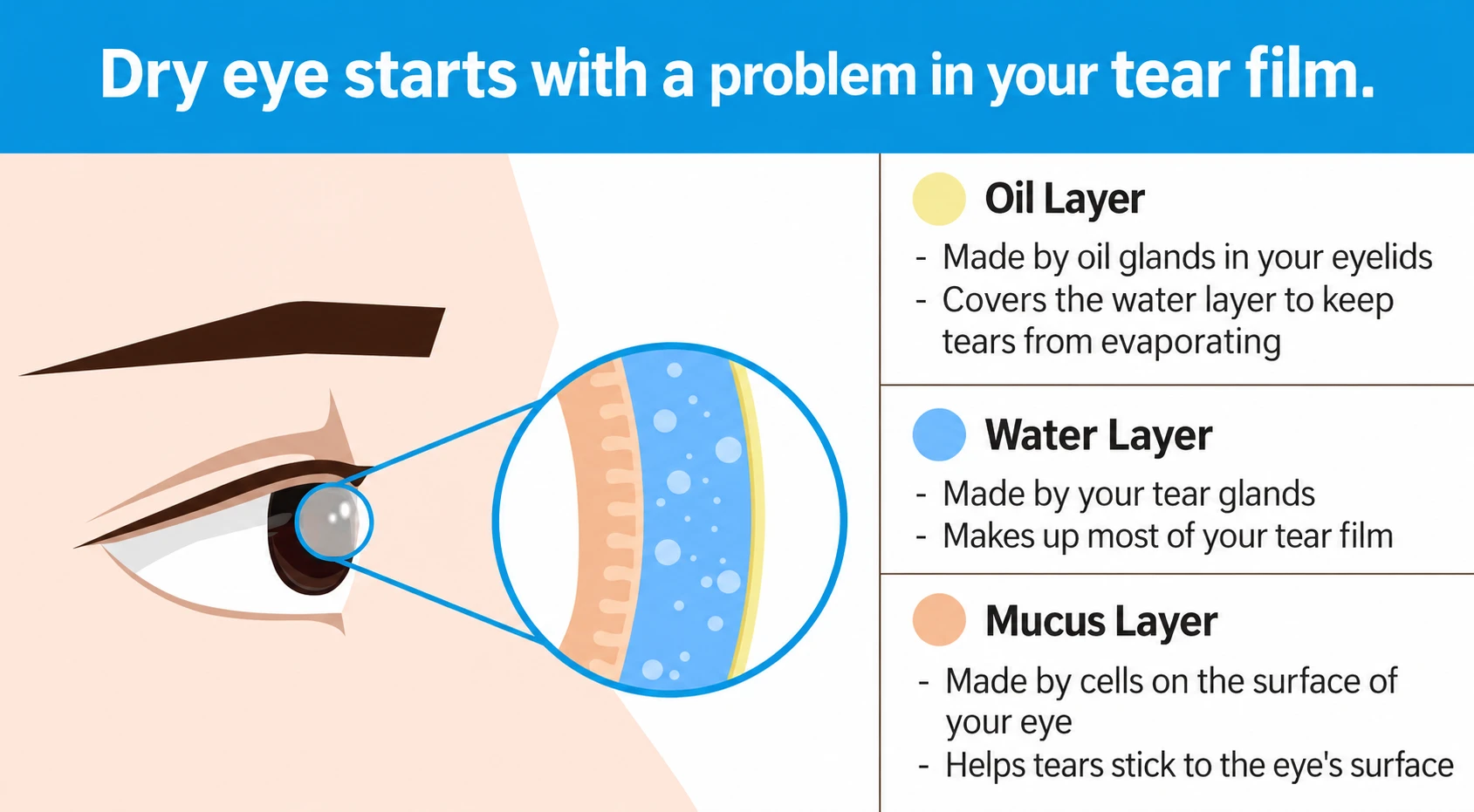
The majority of dry eye cases (about 86%) are the ‘evaporative’ type — the tears are there, but the protective layer meant to guard them has broken down.
The surface of your eye is covered by an extremely thin tear film that keeps it from drying out.
It’s made up of three layers: the mucin layer, the aqueous layer and the lipid layer.
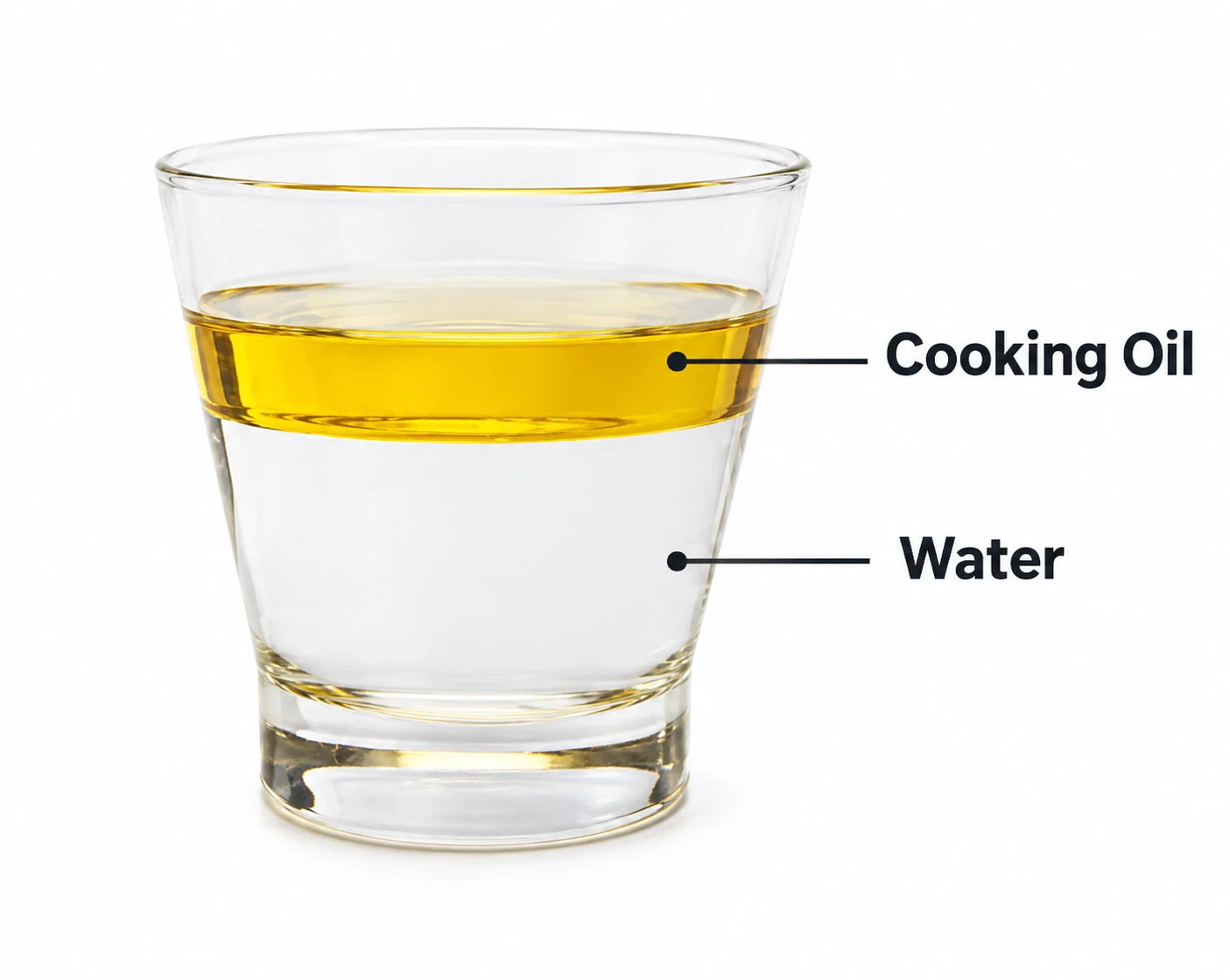
You know how oil floats on top of water?
Think of salad dressing.
When oil wraps around water, the water doesn’t dry out easily.
Your eyes work exactly the same way.
The oil layer (lipid layer) at the very outside of the tear film coats your tears and holds them tight so they don’t escape into the air
So what happens when that oil layer breaks down? No matter how many artificial tears you pour in, it’s water into a leaky bucket — it evaporates almost immediately.
With the eye surface left exposed, tiny abrasions form, and because of those abrasions the tear film becomes even more unstable — a vicious cycle that keeps repeating.
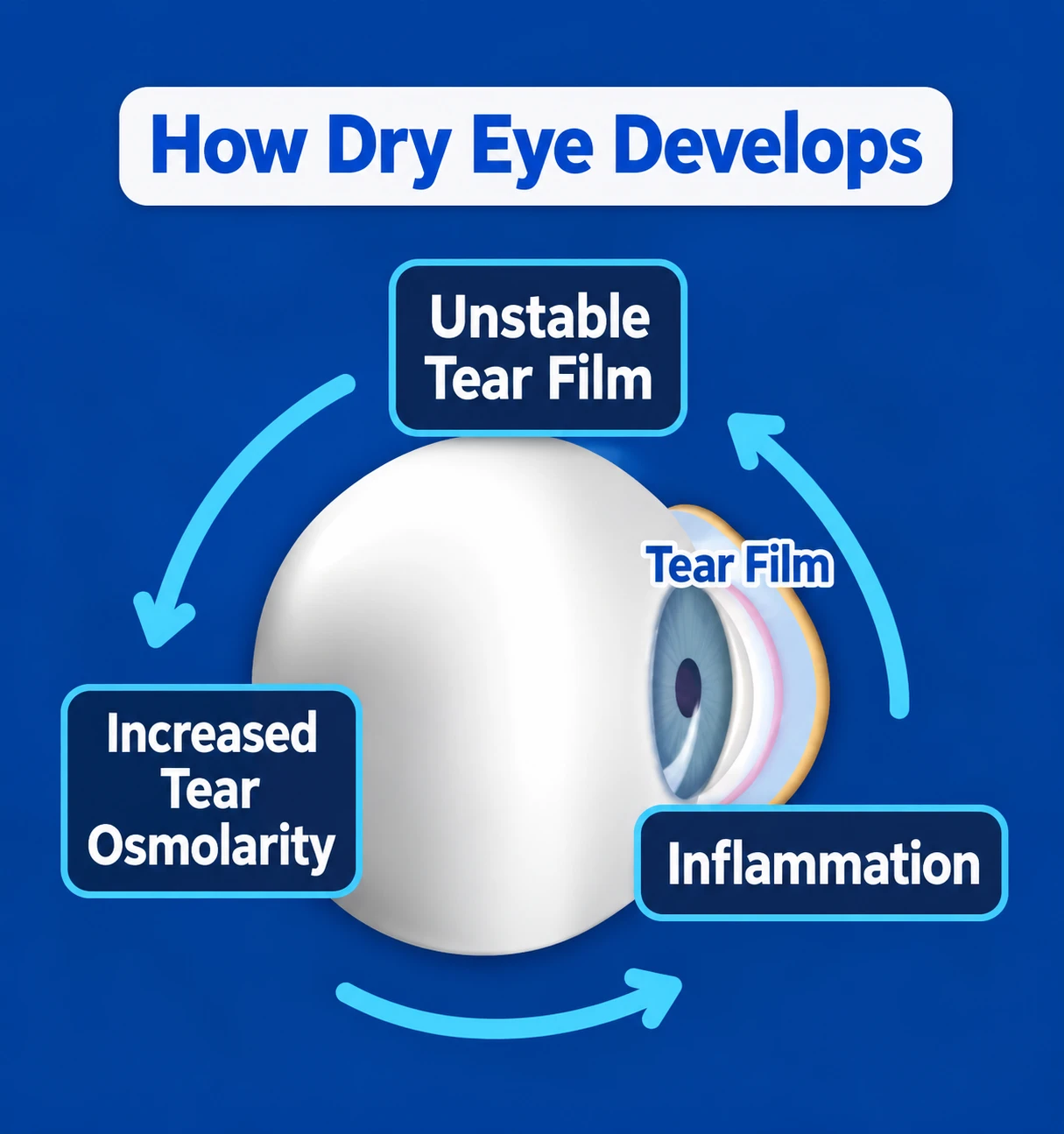
In the end, the core of dry eye treatment isn’t pouring water in but holding water in — restoring the tear film (that oil coating).
Remember just this one thing and you’re already halfway to fixing it.
2. What Causes Dry Eye?
So why did the tear film break down in the first place? The culprits are hiding all over your daily routine.
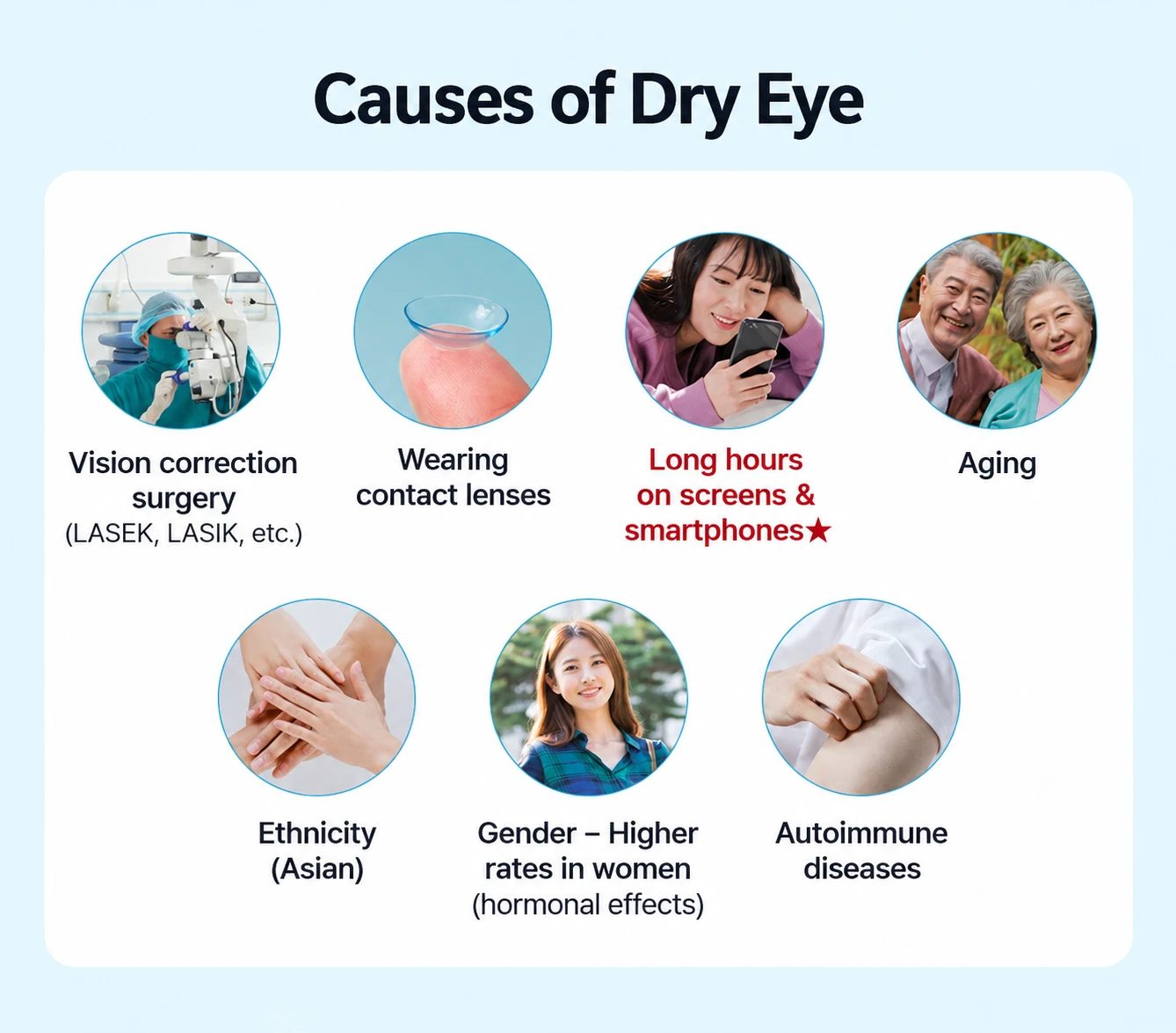
– After-effects of vision correction surgery such as LASIK or LASEK
– Long hours in contact lenses (oxygen blocked)
– Long hours on monitors & smartphones ★
– Decline in function due to aging
– Autoimmune disease
Of all of these, the biggest enemy is unquestionably the smartphone and the monitor.
When we concentrate on something, our blink rate drops sharply.
Blinking is what releases the oil that coats the eye, so if you sit wide-eyed all day, those oil glands simply dry up.
It’s an environment none of us can really escape, but that doesn’t mean you have to live with a bottle of artificial tears in your pocket for the rest of your life, does it?
Dry eye, if you know the right approach, is absolutely a ‘manageable’ condition.
3. How to Improve Dry Eye (+ A Pharmacist’s Real Tips ★)
Before I was a pharmacist, I was a serious dry eye patient myself.
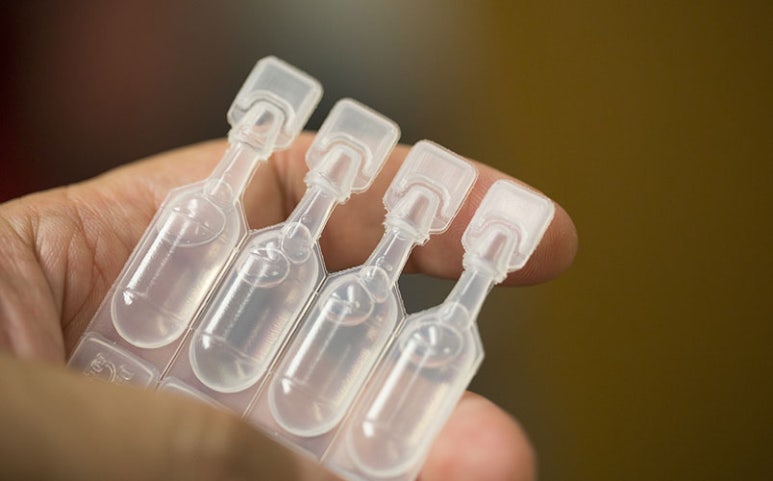
There was a time when I kept single-use artificial tears stashed in my bag, on my desk and by my bed, tearing open three or four a day just to keep my eyes open.
But now, even in the dead of winter with the heat blasting, my eyes stay perfectly comfortable without a single drop.
How was that possible?
After digging through countless papers and running what amounted to a clinical trial on my own eyes, here is the most reliably effective ‘dry eye escape routine’ I found.
Fix 1) Artificial Tears
Just toughing it out when your eyes are dry is a bad move.
Once your cornea gets scratched, your eyes only become more sensitive.
You need artificial tears to put out the immediate fire.
But you can’t just grab anything off the shelf.
(X) Multi-dose (bottle-type) artificial tears
These are the small bottles you’ll commonly find at the pharmacy.
Because they have to last a month without spoiling, they contain preservatives.
Over the long term, those preservatives can actually attack corneal cells and cause toxicity.
On top of that, it’s little more than salt water (sodium chloride), so it dries out fast. I don’t recommend them.
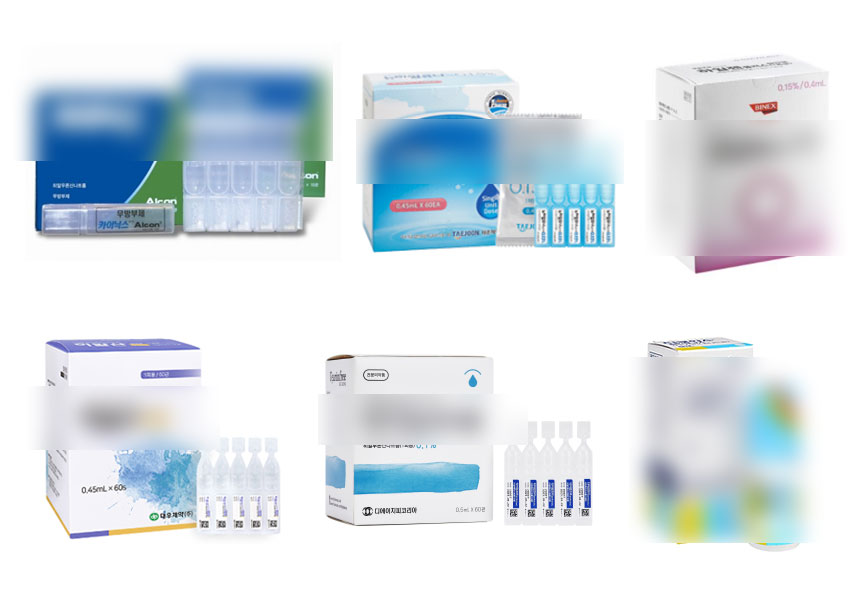
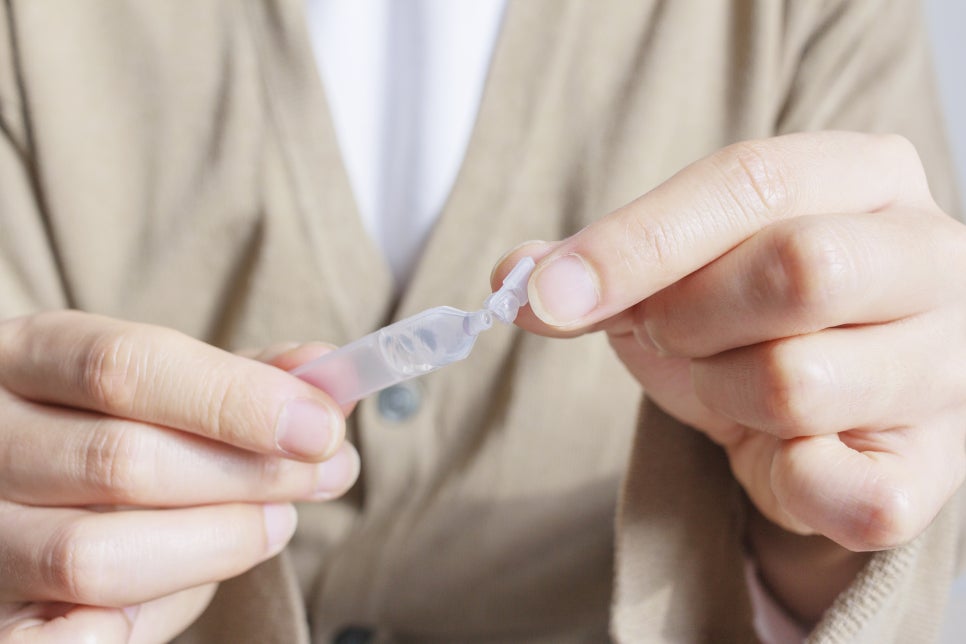
(O) Single-use artificial tears — and single-use drops come in tiers too.
There are two kinds of eye drops: over-the-counter (OTC) drops you can pick up at any pharmacy, and prescription drops you get from an eye doctor.
OTC artificial tears (with ingredients like CMC, trehalose, or hyaluronic acid) work really well for everyday dryness. Try looking for ones with hyaluronic acid. It’s a powerful moisture magnet, kind of like putting a hydrating serum on your skin.
But if your dry eye is severe or isn’t getting better with OTC drops, it’s worth seeing an eye doctor. Prescription drops don’t just ease the symptoms; they can help treat the underlying cause.
[Careful!]
No matter how good an artificial tear is, it isn’t your own tears.
Put them in too often and you’ll wash away the beneficial proteins and enzymes in your natural tears along with them.
Artificial tears are only a supporting tool.
From here on, you need to pair them with the root-cause treatments I’m about to cover.
Fix 2) Eyelid Cleanser (Cleaning Out the Eye Oil)
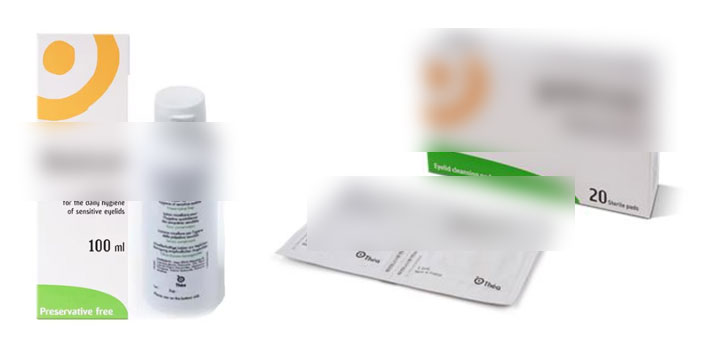
Have you ever heard of an eyelid cleanser?
Along the rim of your eyelids sit the meibomian glands, which secrete oil.
When they get clogged with debris or makeup residue, good oil can’t come out.
You probably think you’re washing your eyes when you wash your face, but the gland openings tucked between your lashes never get cleaned.
Put a dedicated cleanser on a sterile gauze pad and wipe gently along the base of your lashes.
The clogged glands open up, fresh oil comes out and coats your tear film properly.
(If you wear eye makeup often, this isn’t optional — it’s essential!)
Fix 3) Supplements That Improve Dry Eye (★)
“Drops aren’t even enough — and you’re telling me swallowing something will fix it?”
You might think that, but dry eye is genuinely one area where oral supplements are extremely powerful.
That said, ‘what’ you take is what matters.
Don’t fall for the advertising — look at the evidence.
Ingredient 1) Lutein
→ For dry eye, no effect (X)
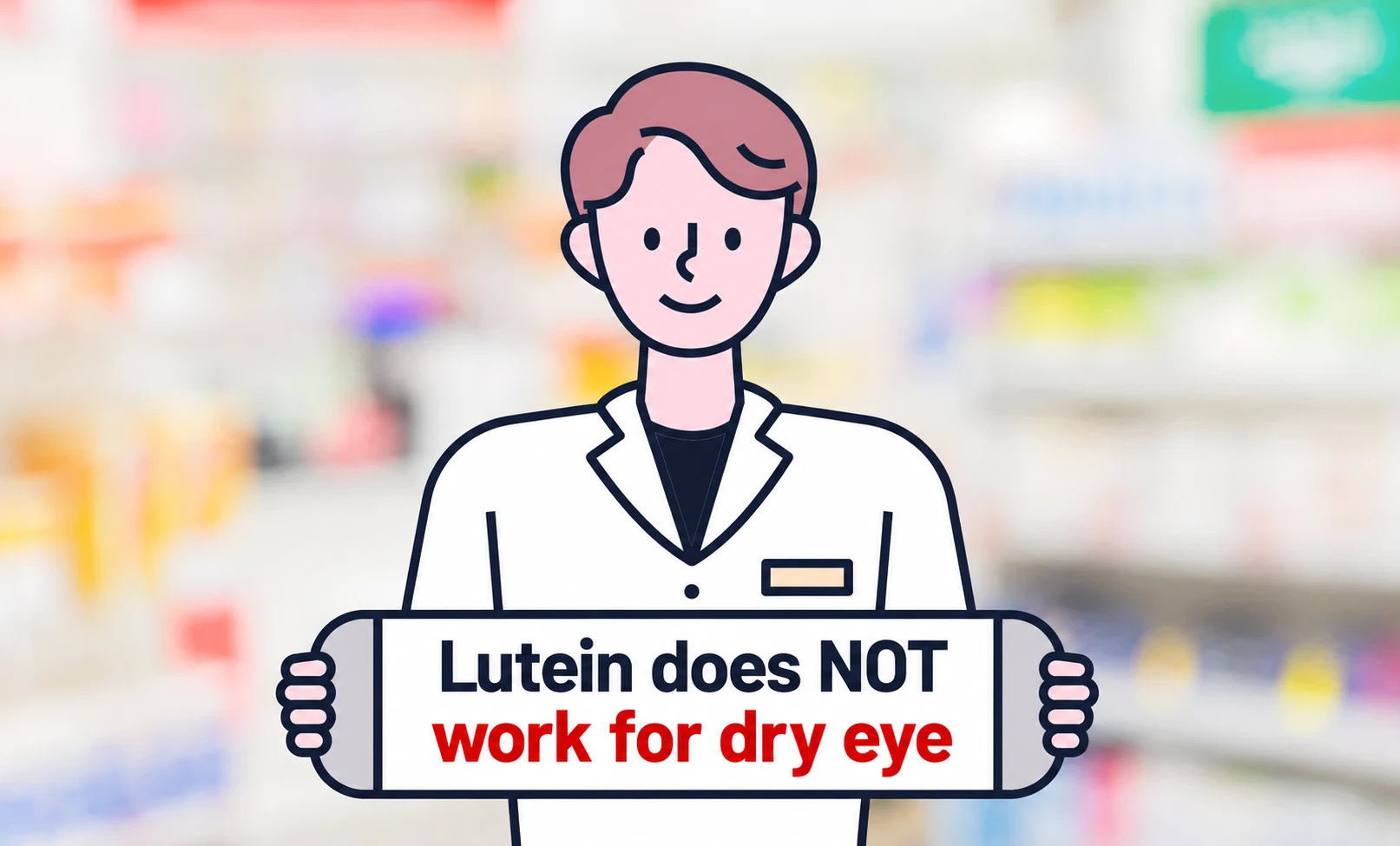
Everyone reaches for lutein the moment they hear “eye supplement,” but you’ve got the wrong address.
Lutein fills in the pigment of the macula at the back of the eye.
It protects against age-related macular degeneration — it has absolutely nothing to do with tear secretion or dryness.
For younger people taking lutein because their eyes feel gritty, it’s close to throwing money away. Skip it without hesitation.
Ingredient 2) Omega-3
→ Recommended as a baseline (△)
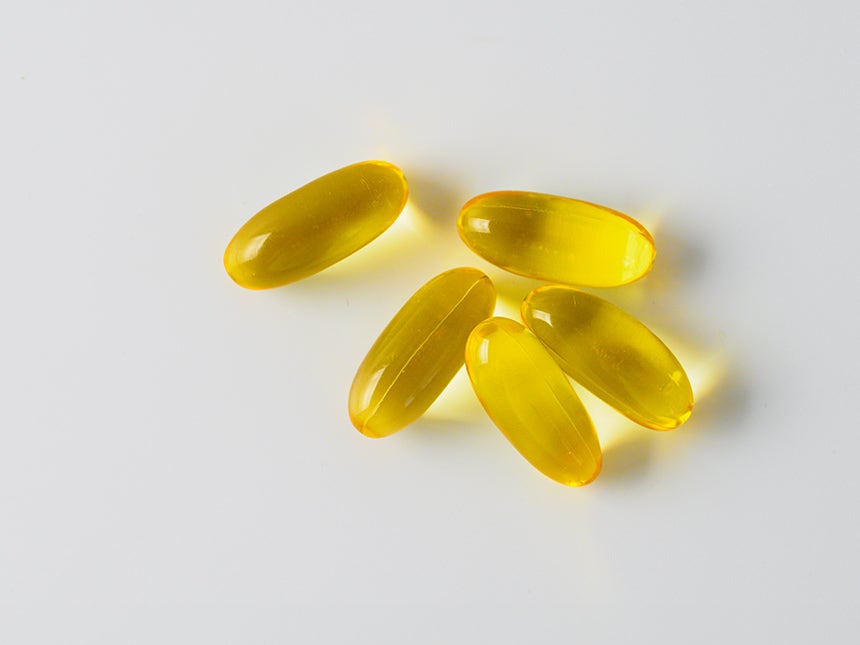
Omega-3 can be somewhat helpful for dry eye.
As I mentioned earlier, more than 80% of dry eye starts with a problem in the oil layer that blocks tear evaporation, causing tears to evaporate quickly.
Omega-3 supplies good fats to the body, helps form the oil layer of the tear film, and also helps ease inflammation and improve circulation, so it’s worth supplementing if you have dry eye. But omega-3 alone rarely delivers a dramatic change.
Because omega-3 doesn’t act directly on the eye, the effect isn’t immediate, and satisfaction can fall short of expectations.
So think of it as no more than ‘something worth taking for overall health, dry eye included.’ For omega-3 to actually work on dry eye, I recommend choosing a product with at least 600mg of combined EPA+DHA, 80%+ purity, in rTG form.
Ingredient 3) Astragalin
→ Oral artificial tears (strongly recommended ★)

Many of you are probably hearing the name for the first time. Astragalin is a specialized compound extracted from persimmon leaves, and it is an ingredient officially recognized by Ministry of Food and Drug Safety for ‘helping to improve dry eyes’.
It has recently been drawing attention among ophthalmologists and pharmacists as the next-generation answer to dry eye.
Why is it getting so much attention?
Because it doesn’t just increase the volume of tears — it rebuilds the damaged structure of the tear film itself.

Remember how dry eye comes in two cases?
① tears drying up too fast (evaporative), and ② too few tears being produced (aqueous-deficient).
Remarkably, astragalin showed clinical results that address both of these problems at the same time.
① Study on supporting tear film formation and blocking moisture evaporation
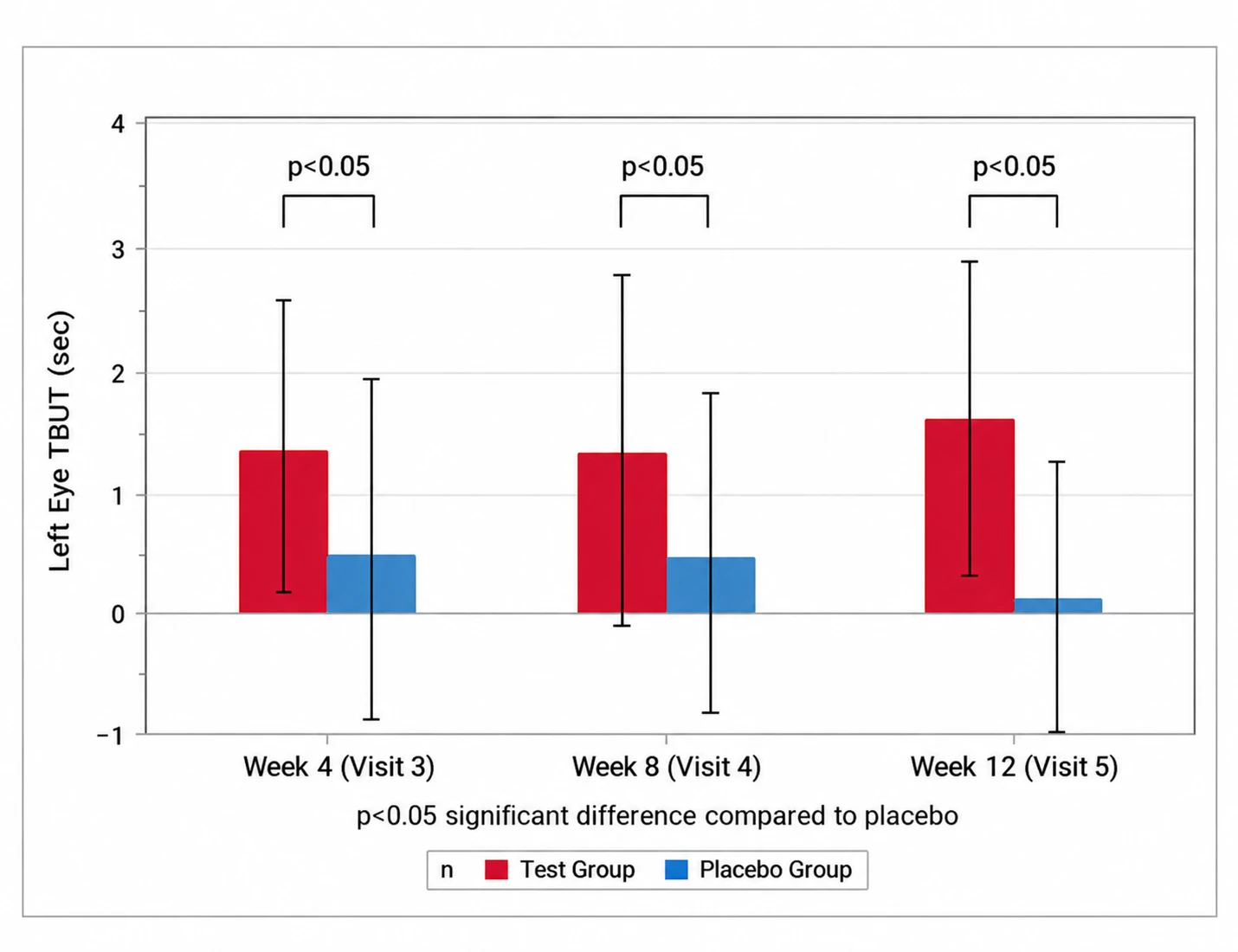
In the TBUT test, the group that took astragalin showed a significant increase in the time it took for the tear film to break down compared with the control group, which was observed as a reduction in tear evaporation.
* TBUT test : a test that measures the time it takes for dry spots to appear on the corneal surface after a blink. The longer the time, the healthier the tear film.
To explain in slightly more technical detail, astragalin activates enzymes involved in lipid metabolism, which improves the thickness and function of the lipid layer of the tear film.
In particular, it strengthens the lipid layer through PPAR-γ activation, helping tears resist evaporation and stay in place longer.
This action of astragalin activates the meibomian glands that form the lipid layer, preventing the lipid layer from thinning or becoming damaged, and helping maintain the stability of the tear film.
② Study measuring tear production volume
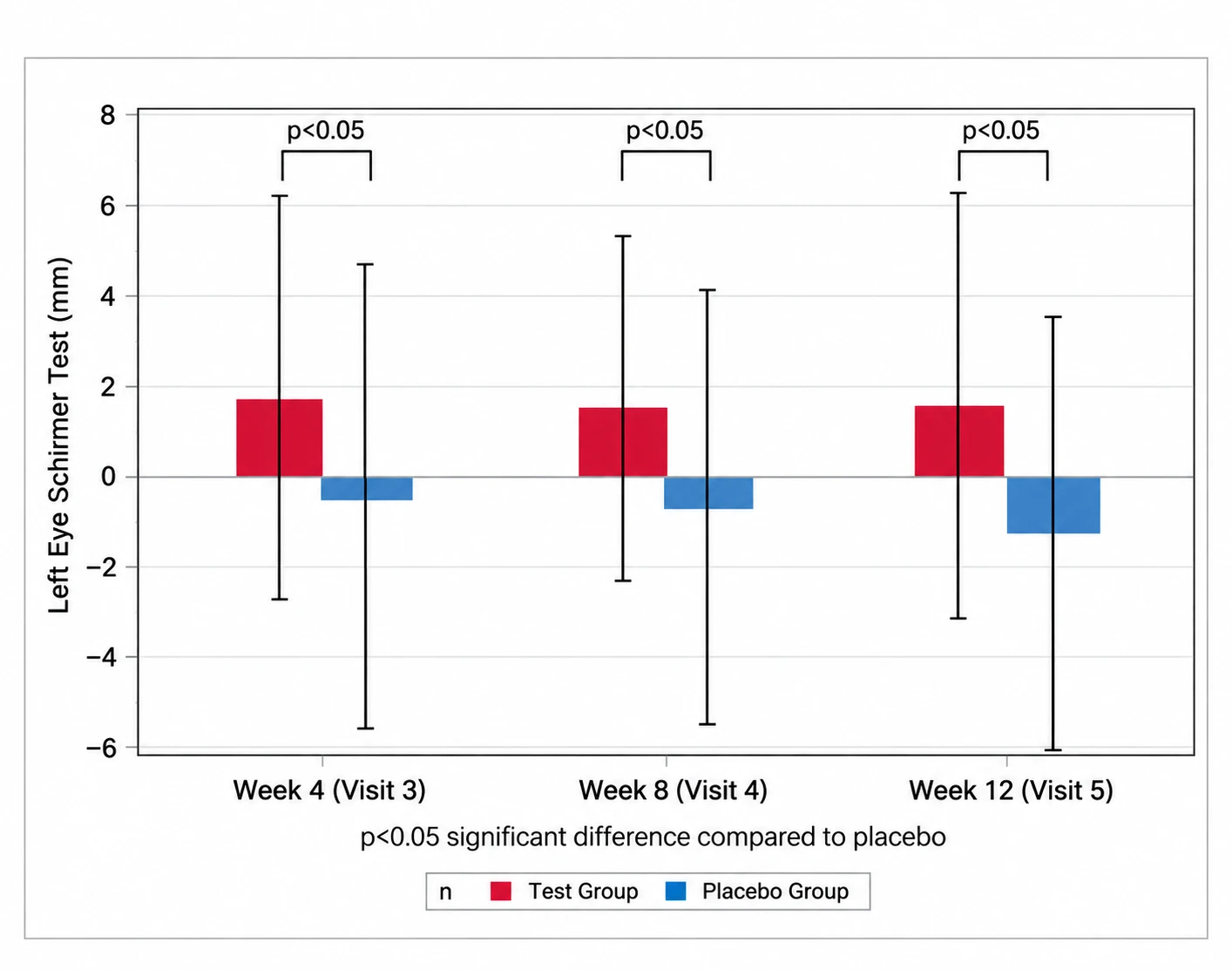
In the Schirmer test, the group that took astragalin was observed to have increased tear production compared with the control group.
* Schirmer test : a test that places a paper strip under the eye for about 5 minutes to measure how much tear fluid is produced.
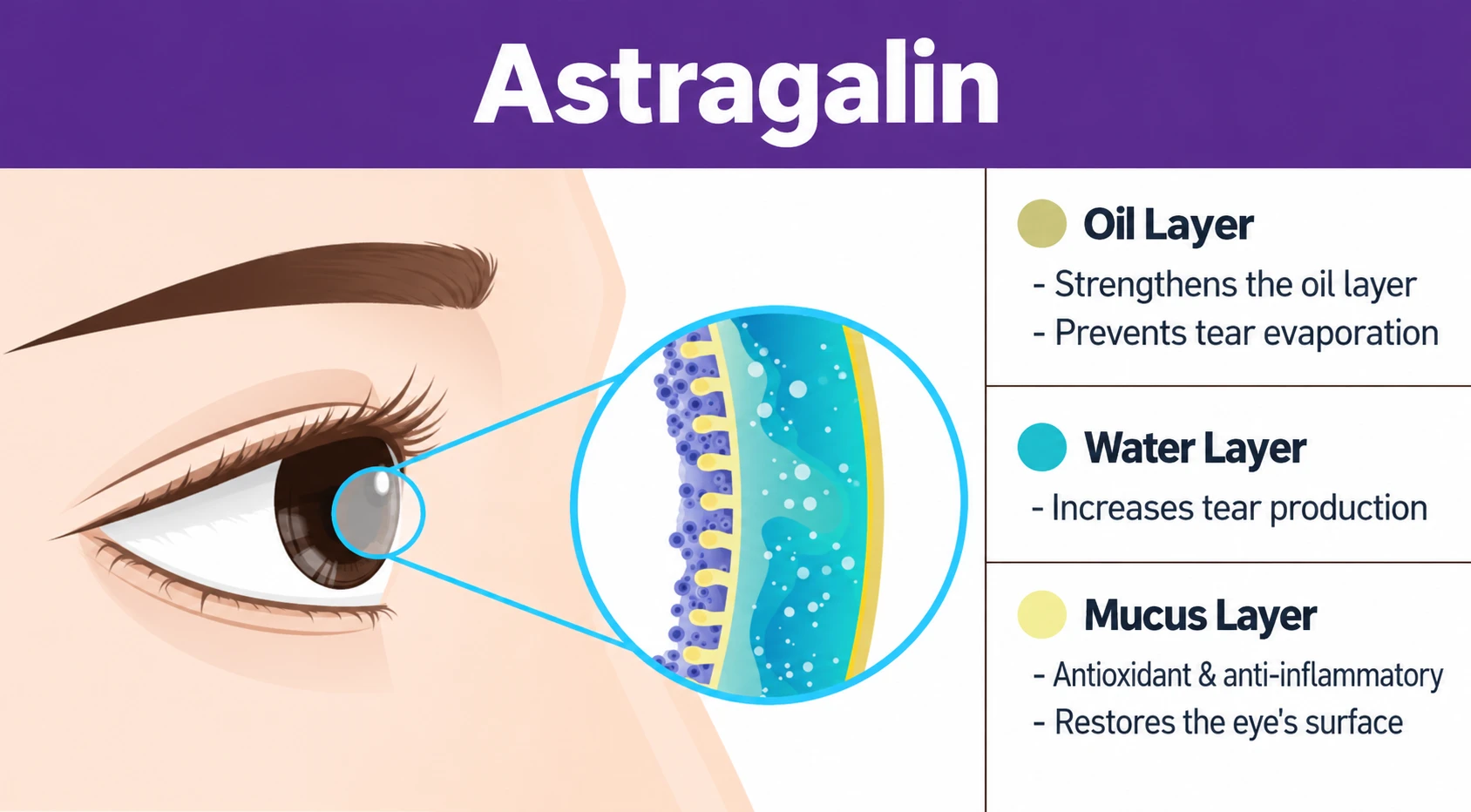
To sum up what astragalin does, astragalin protects the tear film and
1. strengthens the lipid layer of the tear film to prevent tear evaporation,
2. also increases tear production, and
3. protects the eye surface through antioxidant and anti-inflammatory action, which means
it can effectively improve the symptoms of dry eye.
In this way, astragalin helps improve dry eye through a combination of actions: stabilizing the tear film, promoting cell regeneration and suppressing inflammation.
Thanks to these effects it’s called ‘oral artificial tears,’ and lately eye clinics have been recommending it as well.

The recommended daily intake is 4mg of astragalin, and I recommend taking it for at least 3 months.
* I don’t recommend specific products.
Products using astragalin aren’t especially common, so search for the ‘astragalin’ ingredient and choose whichever product suits you best.
Fix 4) Warm Compress
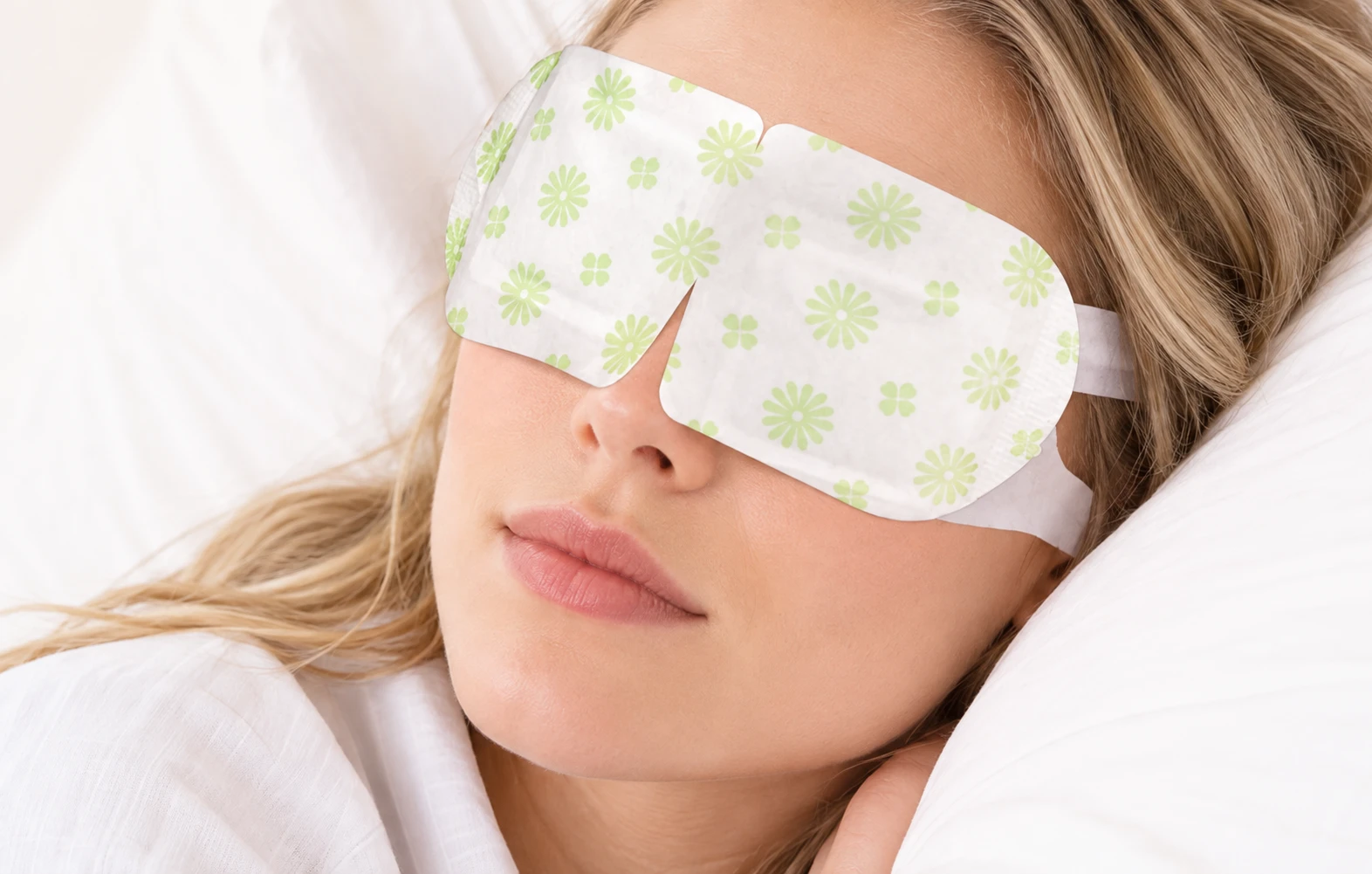
The last tip is a warm compress.
Just as hardened grease needs hot water to melt, if the oil glands in your eyelids are clogged you need to warm them up to melt them open.
Before bed, just rest a warm eye mask over your eyes for 10 to 15 minutes.
The blocked oil melts and flows out, and opening your eyes the next morning feels completely different.
I recommend single-use warming eye masks — they’re hygienic and easy to use.
4. Final Recap
1) Most dry eye is caused by a tear film problem that lets too many tears evaporate
2) Dry eye is a condition that can absolutely be treated if you correct the root cause
3) Single-use prescription artificial tears are the better choice, but they don’t treat the underlying cause
4) An eyelid cleanser + warm compresses will help
5) For a supplement that improves the root cause of dry eye, ‘astragalin’, proven effective in multiple studies, is my number one recommendation.
Omega-3 is good too. (Lutein has no effect.)
For those of us who spend hours glued to our smartphones and screens, dry eye has become an almost unavoidable part of modern life.
The good news? With consistent daily care, dry eye can get noticeably better. So why not start today with a few small habits for healthier eyes?
Thanks for reading!