Hi, I’m a pharmacist and a family-first mom.
Give me 3 minutes, and I’ll show you the one label check that could finally calm your gut.
Ever switched from regular soda to prebiotic soda because you thought it would be better for your gut, only to end up more bloated and gassy?
Prebiotic soda has become a major wellness drink trend in America. Instead of simply cutting sugar, these colorful cans promise something more: fiber, prebiotics, and better gut health.
Except the very ingredient added for “gut health” can be the reason your gut feels worse.
Many prebiotic sodas use highly fermentable fibers such as inulin. Gut bacteria ferment these fibers and produce gas.
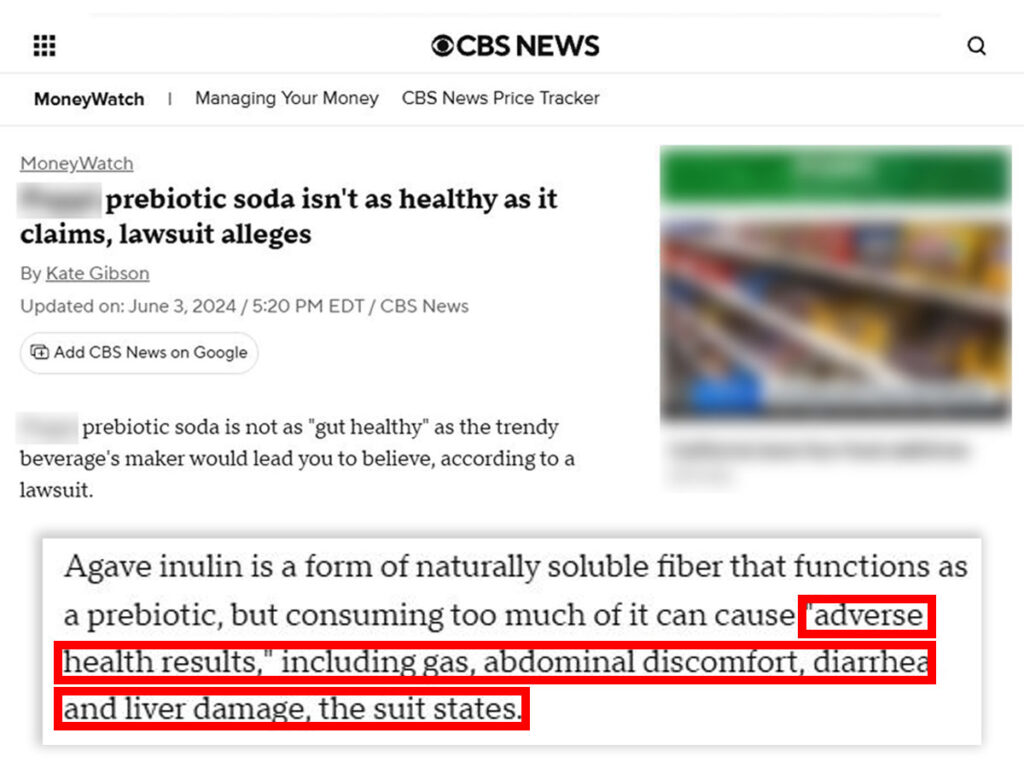
CBS News reported on a 2024 lawsuit alleging that consuming too much agave inulin can cause “adverse health results,” including gas, abdominal discomfort, diarrhea, and even liver damage.
In other words, the drink you bought thinking it was good for your gut is actually wrecking your gut.
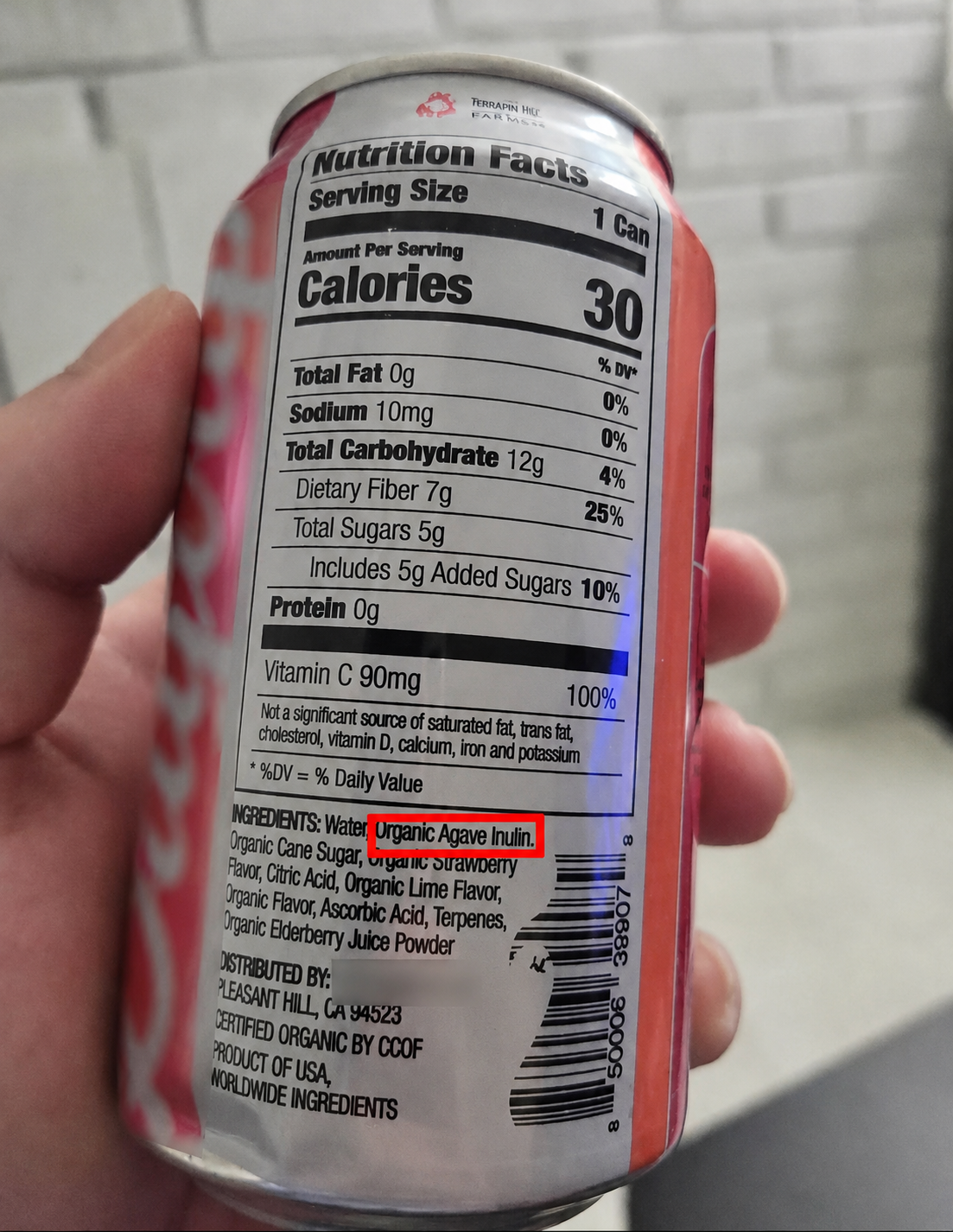
Why does inulin wreck your gut? Because inulin is a type of fructan, and fructans fall under the “O” in FODMAP, which stands for oligosaccharides.
So before you trust the words “prebiotic” or “gut health” on the front of the can, you need to understand FODMAPs first.
So what exactly are FODMAPs, and why can a “gut healthy” ingredient turn into a problem once it reaches your gut?
Did You Know? Even “Healthy” Foods Can Mess Up Your Gut.
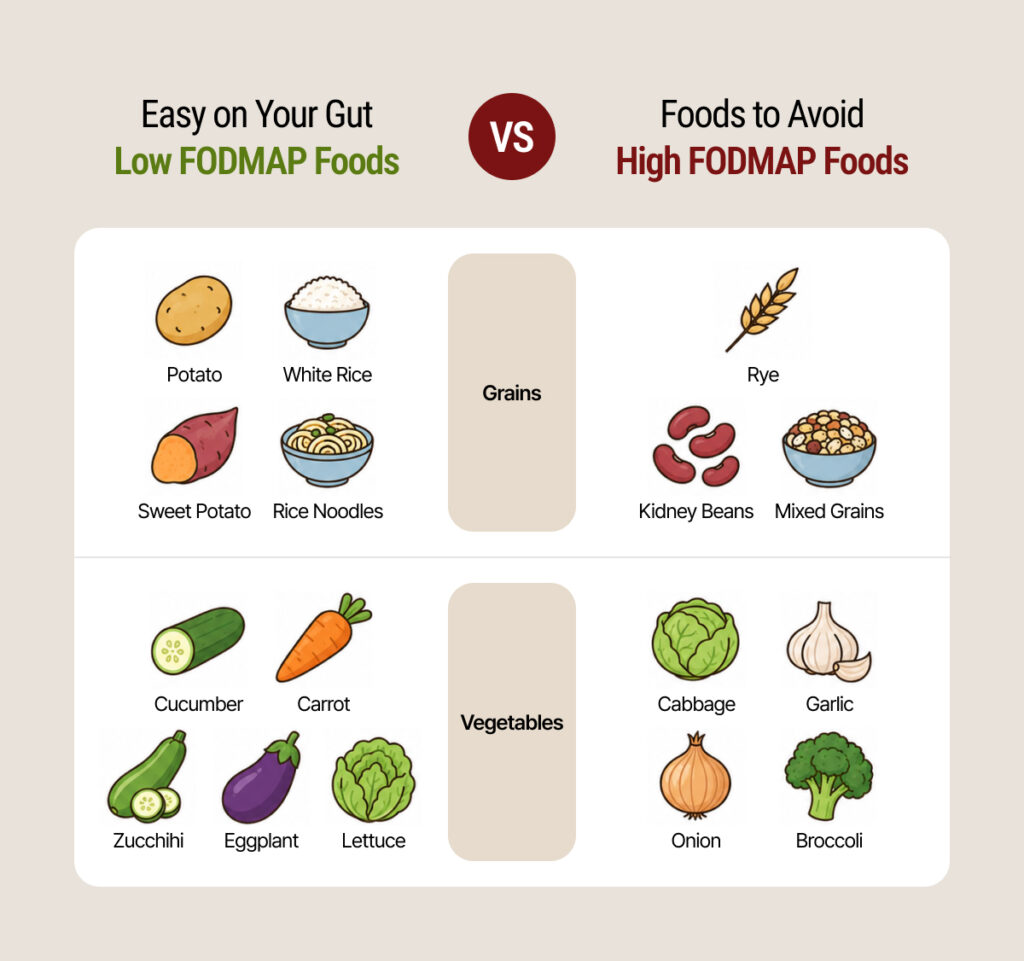
Cabbage, garlic, onions, beans, and whole grains are often considered healthy foods. And for many people, they are.
But even a healthy food can mess with a sensitive gut if it is high in FODMAPs.
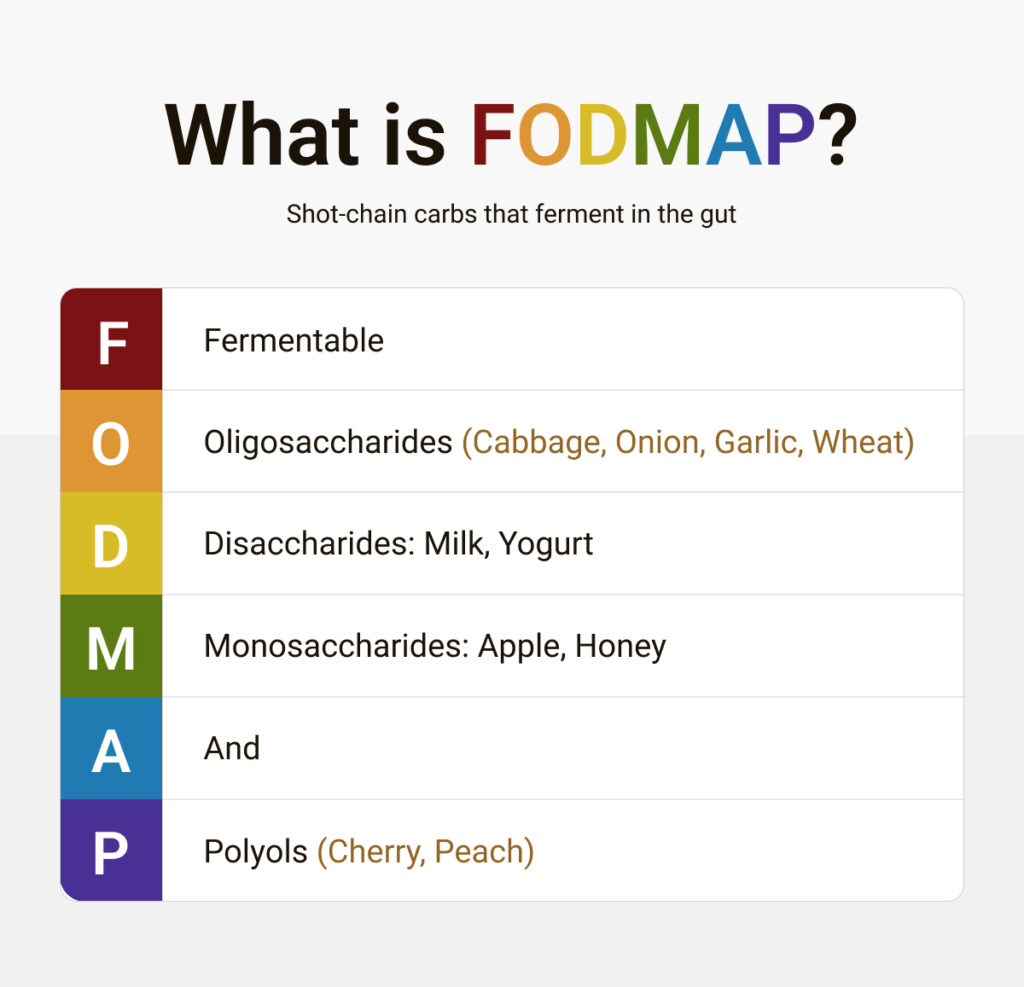
FODMAPs are carbohydrates that your small intestine does not absorb well.
Because they are not fully absorbed, they pull water into your gut. Once they reach the colon, gut bacteria ferment them and produce gas.
And that is the catch with prebiotic soda.
If the added fiber is a high FODMAP ingredient such as inulin, the very ingredient being sold to you for “gut health” can be the reason you end up bloated and gassy.
The Probiotic Secret Nobody Tells You
Here is what nobody tells you: this problem does not stop with prebiotic soda.
Probiotics can also mess up your gut health if you take the wrong kind.
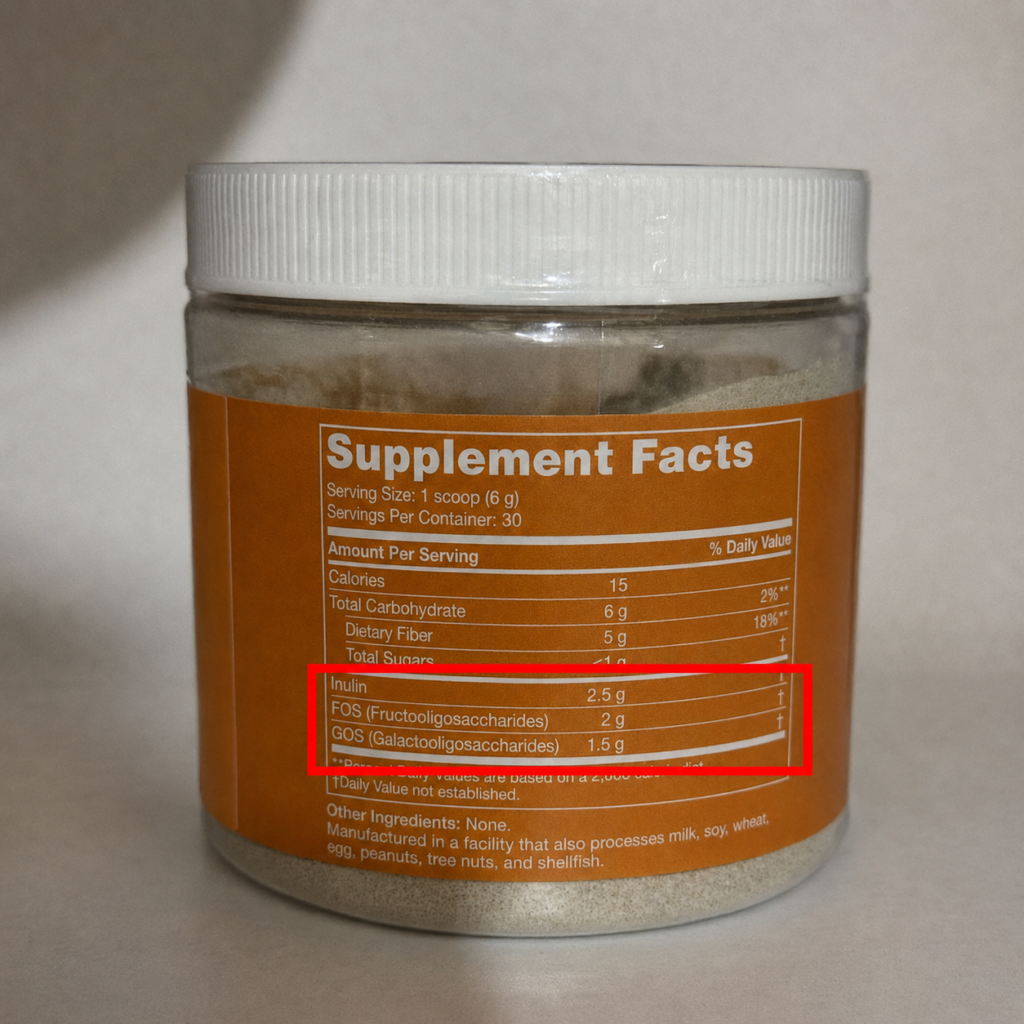
The word probiotic on the bottle does not automatically mean what is inside is good for your gut. Neither do reassuring claims like gut health or digestive support.
Even probiotic supplements can contain prebiotic ingredients.
That is why the marketing on the front of the bottle is not enough.
Turn it over. The label on the back tells you what the marketing leaves out.
The Three Checks That Matter Most
Now that you have turned the bottle around, ignore the marketing and check these three things first.
✅ No Added Prebiotics
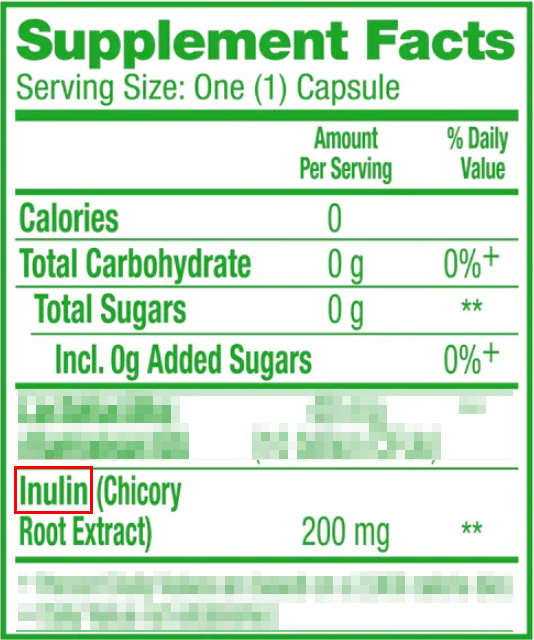
Go straight to the ingredient list and look for inulin, chicory root, FOS, GOS. Gut bacteria can quickly ferment these prebiotics and produce gas.
For some people with IBS or sensitive digestion, that can make bloating and discomfort worse. If these ingredients make your symptoms worse, choose a product without them.
✅ Monash University Low FODMAP Certified
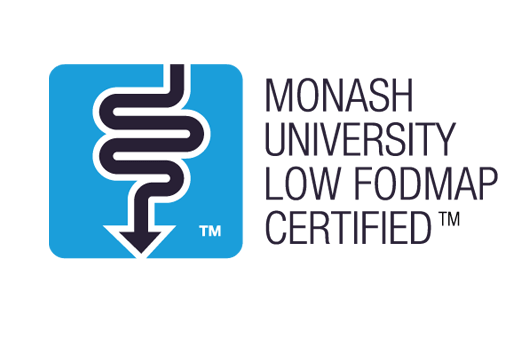
The Monash University Low FODMAP Certified logo means the product has been laboratory tested and meets strict low FODMAP standards at the recommended serving size.
If you see this logo, you have extra confirmation that the tested serving meets Monash University’s low FODMAP criteria.
✅ IBS-Specific, Strain-Level Evidence
The next thing to check is whether the exact strains have actually been studied in people with IBS.
Do not be fooled by a long strain list or a massive CFU number. What matters more is the exact strain code.
Two strains with IBS-specific research are Lactobacillus acidophilus DDS-1 and Bifidobacterium lactis UABla-12.
So I Went Looking
As a pharmacist, I wanted to see how many probiotics marketed for people with IBS or sensitive digestion could actually survive all three checks.
I went through products sold on Amazon one by one, label by label. I ignored the shiny promises slapped across the front and checked the full ingredient list instead.
And there it was, over and over again: added prebiotics like inulin, chicory root, FOS, and GOS, often buried in the fine print where most shoppers would never even think to look.


How the Products Compare
Keeping those three checks in mind, I took a hard look at some of the most popular probiotic supplements on the market.
I went through everything from Amazon bestsellers to products from international brands that U.S. shoppers can easily buy online.
As a pharmacist and a mom, I judged every product by the exact same three criteria. I did not care what the front of the bottle was trying to sell me. I flipped it over and checked the back label myself.
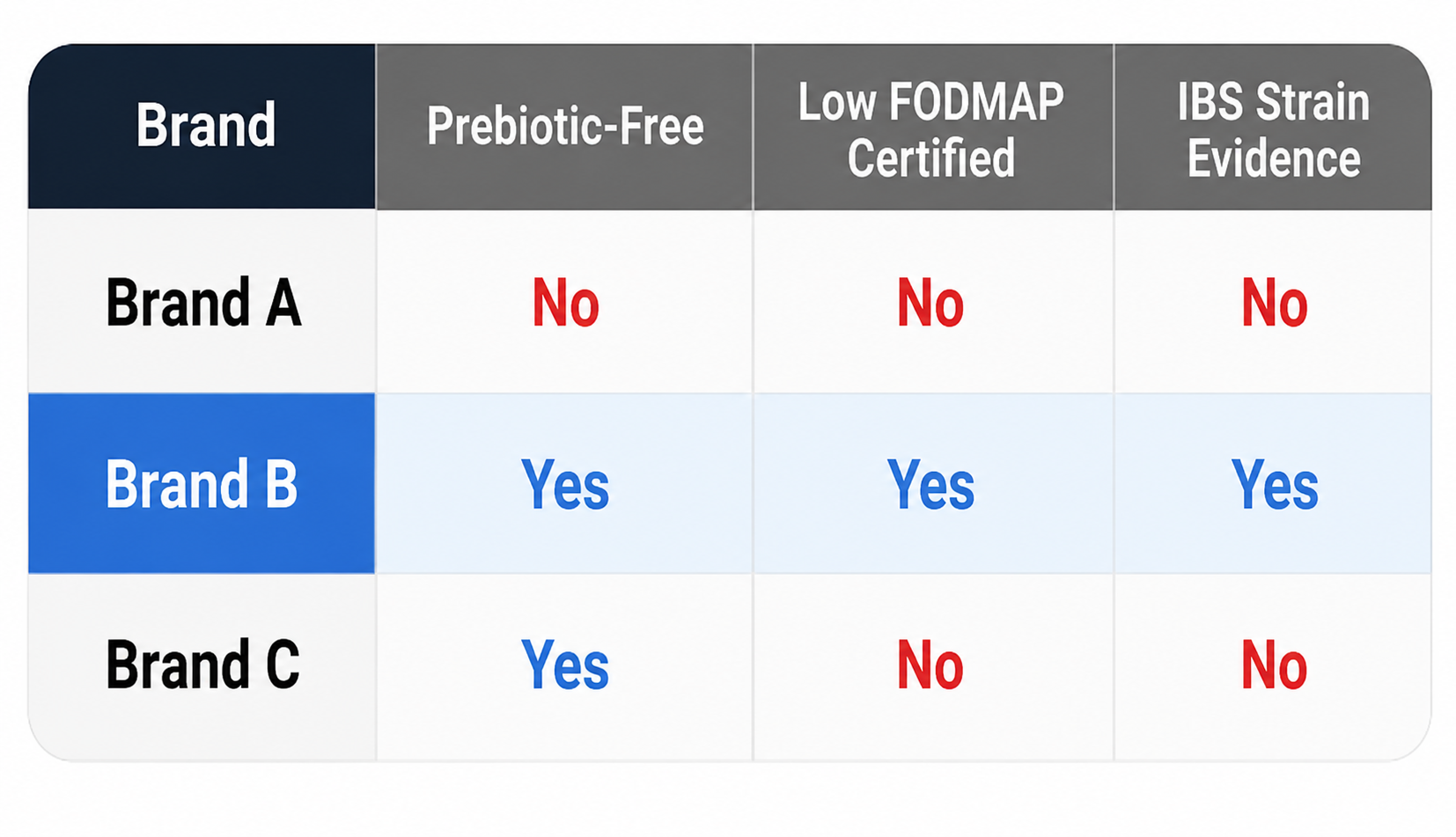
As you can see, most of the products I reviewed came with added prebiotics. These ingredients are usually sold as “food for good bacteria.”
But if your digestion is sensitive, that same “good for your gut” ingredient can come right back and hit you with gas, bloating, and abdominal discomfort.
- No added prebiotics
- Monash University Low FODMAP Certification
- Two exact strains studied in adults with IBS: L. acidophilus DDS 1 and B. lactis UABla 12
Most everyday probiotics throw around vague promises about digestion and regularity. This formula does not hide behind generic claims. It gets specific, with strains that have actually been studied in adults with IBS related symptoms.
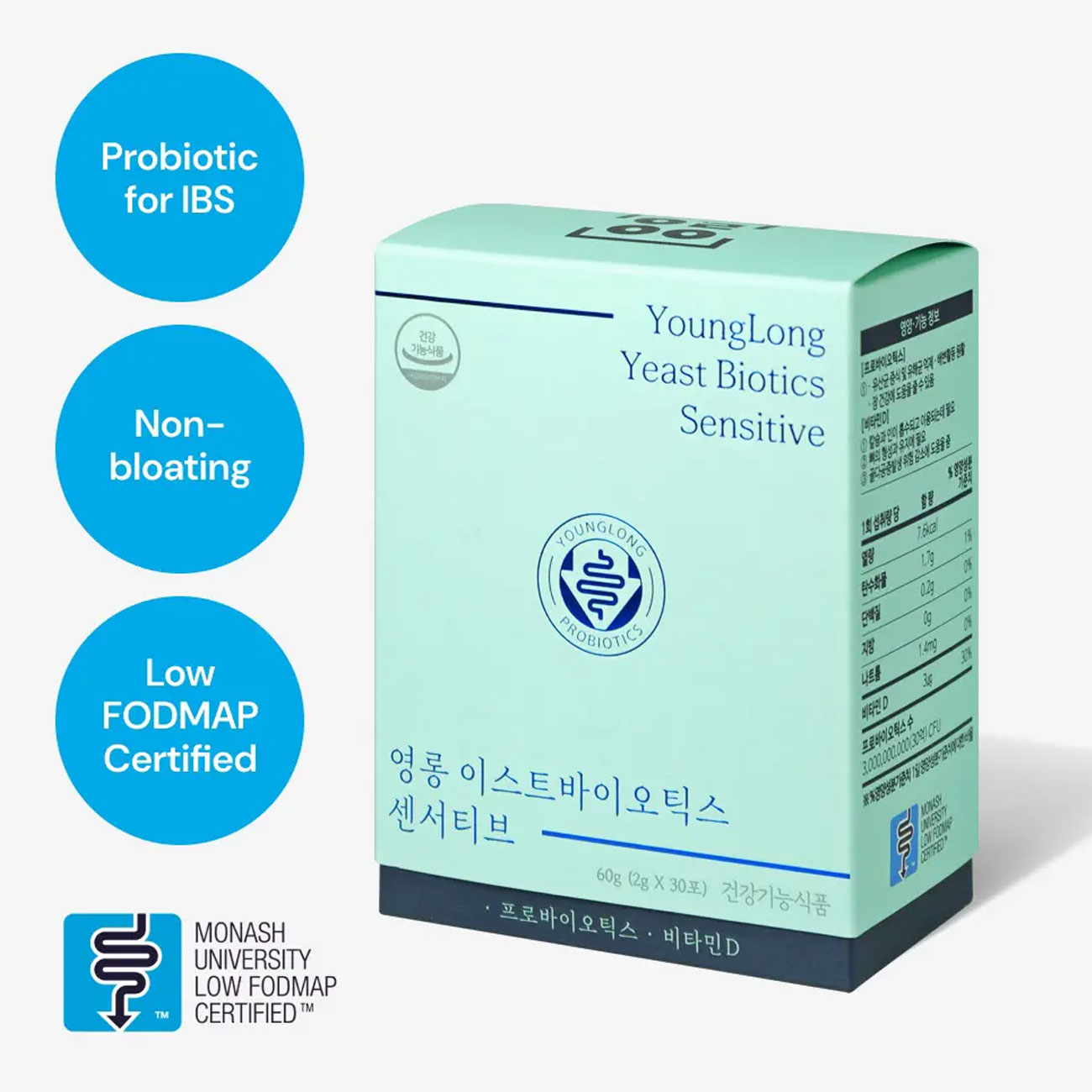
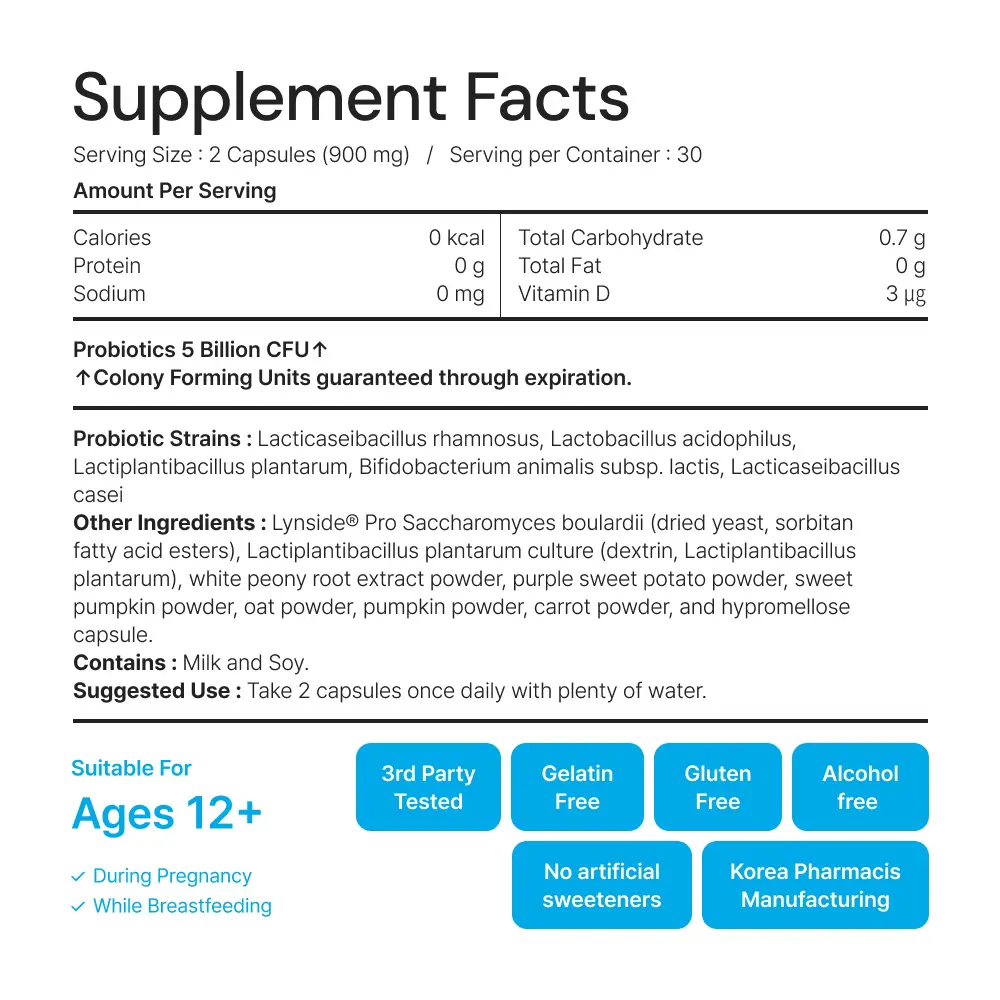
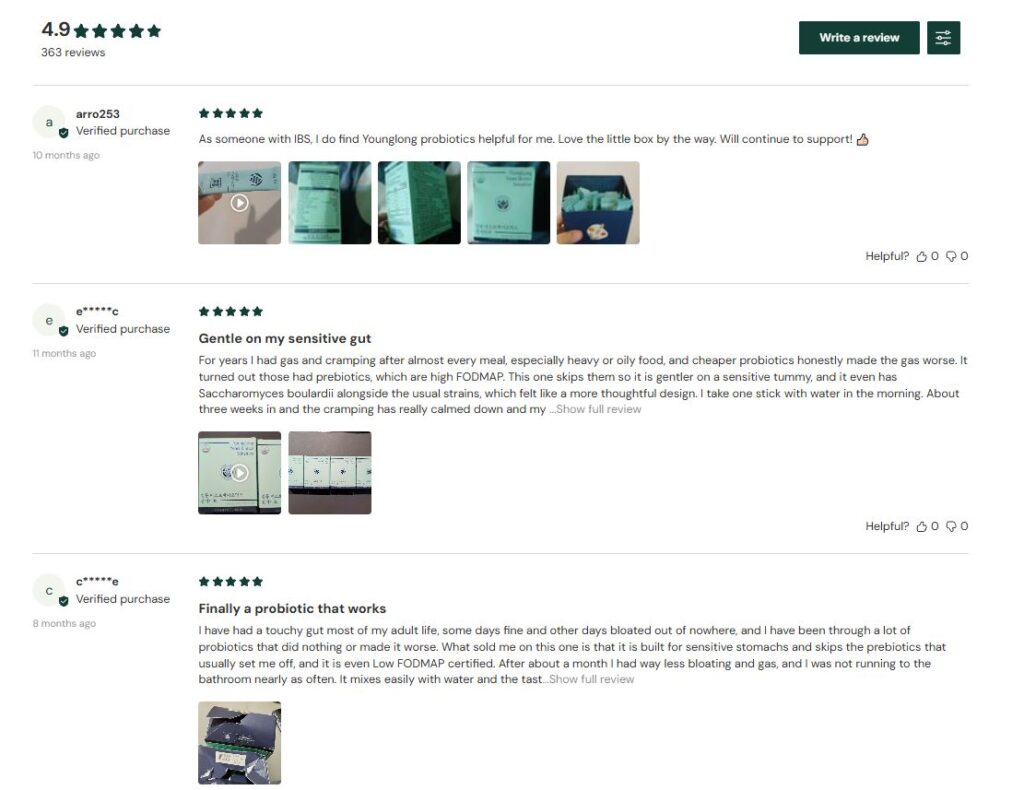
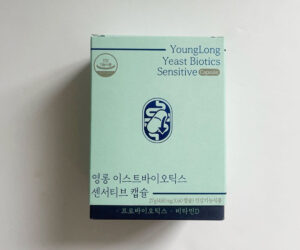
Go check the product page below. The full ingredient list, exact probiotic strains, and directions for use are all right there.
One Last Label Check
So, can prebiotic soda actually make your gut worse?
Yes. Prebiotic sodas can contain ingredients like inulin, FOS, and GOS, and those ingredients can hit you with more gas, bloating, and digestive discomfort.
If you already have IBS, added prebiotics can make those problems even worse. Stop trusting the front of the bottle. Flip it over and look for a probiotic supplement without added prebiotics.
Do not let the word “prebiotic” on the front fool you. Turn the bottle around and read the actual label. That one simple habit can mean fewer gut problems and a whole lot more comfortable days ahead.
References
1. American College of Gastroenterology (ACG). 2021 Clinical Guideline for IBS Management.
2. Black CJ, et al. Low FODMAP Diet in IBS: Systematic Review and Network Meta-Analysis. Gut, 2022.
3. World Gastroenterology Organisation (WGO). Global Guidelines: Probiotics and Prebiotics, 2023.
5. Monash University. Low FODMAP Product and Recipe Certification Program.
6. Poppi prebiotic soda isn’t as healthy as it claims, lawsuit alleges
This article is for educational purposes only and is not a substitute for personalized medical advice, diagnosis, or treatment. Responses to probiotics vary, and Low FODMAP certification does not guarantee symptom relief. If you experience blood in your stool, unexplained weight loss, or persistent diarrhea, please consult your doctor or a gastroenterologist.