I saw it on Instagram.
These days, that’s how so many health decisions start.
Medications and supplements go straight into your body, yet unverified information about them spreads way too easily, one Reel and one caption at a time.
That’s why, as a pharmacist, I read and check everything myself, and share only what’s true. My standard is just one question.
Would I recommend this to my own family?
Whether a product is famous or barely known, I’ll judge it and recommend it by this standard alone.
Let’s take the first step together toward finding good, safe medications.
Why Blood Pressure Supplements Matter
As a pharmacist, I talk with so many people about their health every day.
One topic that comes up every single time is high blood pressure.
Every time I counseled someone, I stressed how important it is to manage your blood pressure, but I never imagined it would become my own problem.
So when I got my results, I was really shaken.
As a pharmacist, I know better than anyone how frightening the diseases caused by blood pressure are, and what complications they can lead to if you don’t manage them properly.
No Symptoms, Real Organ Damage
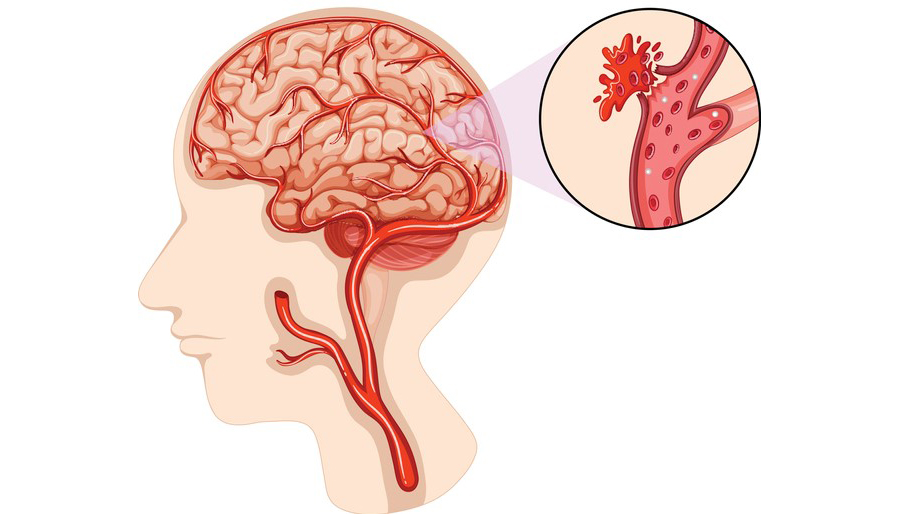
High blood pressure has no noticeable symptoms even as it rises, so it’s really common for people to neglect managing it.
And if high blood pressure is left untreated instead of being treated in time, damage slowly builds up in your organs, and you can end up losing your normal, everyday life entirely.
In particular, high blood pressure affects the brain and heart, so it’s a condition you absolutely must get under control.
Whether you aren’t taking medication or you already are, changing your eating habits and lifestyle is a must.
But once you’re diagnosed with high blood pressure, your doctor keeps prescribing the same medication again and again, and rarely tells you much about how to manage your blood pressure.
So today, I’ve organized the information you truly need to manage high blood pressure, so that this one post alone lets you check all the key points of blood pressure management.
I hope it eases some of your vague worries about managing your blood pressure, and that you walk away with information that actually helps.
Reference: 2025 AHA/ACC Guideline for the Management of High Blood Pressure in Adults[1]
1. Why High Blood Pressure Needs to Be Managed
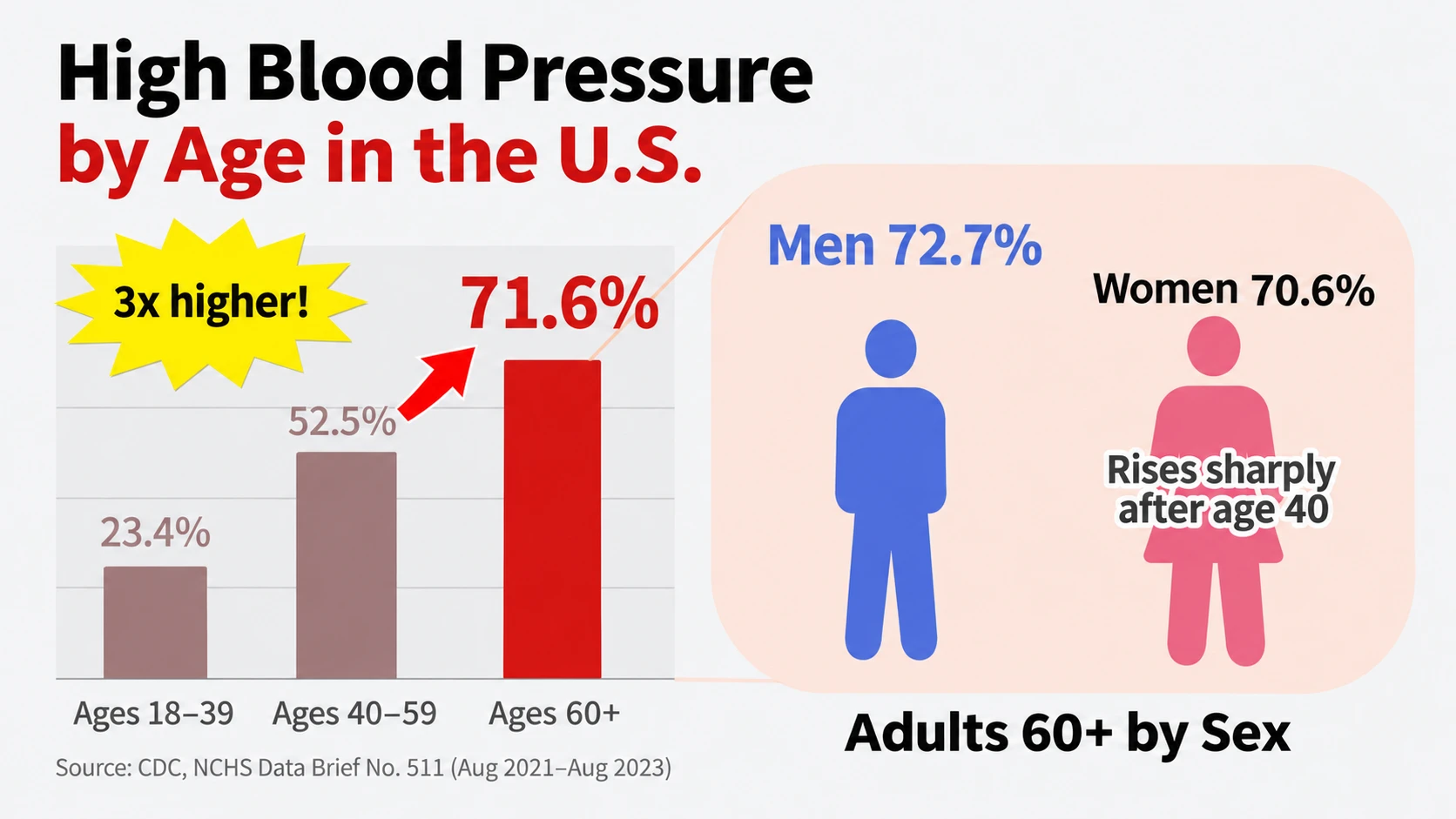
High blood pressure has become such a common condition that 47.7% of U.S. adults, nearly half, have it.[2]
The rate of high blood pressure rises with age, and among U.S. adults 60 and older, a whopping 71.6% (men 72.7%, women 70.6%) have been reported to have high blood pressure.[2]
So if you’re worried about your health in midlife, start with managing your blood pressure.
Once You Start Blood Pressure Medication, You Have to Take It Forever?
This is one of the questions I hear most often from people with high blood pressure.
In fact, many people put off treatment because they feel burdened about taking medication.
You don’t necessarily have to take it for life, but honestly, it’s somewhat true.
The reality is that most people can’t stop their medication.
Of course, if you improve your lifestyle and can keep your blood pressure in the normal range, you may be able to reduce or stop your medication.
But because it isn’t easy to change eating habits and lifestyle you’ve kept up for so many years, people struggle to manage their blood pressure without medication, end up taking it continuously without ever stopping, and that’s where this saying comes from.
But the complications that come from avoiding blood pressure medication are far bigger and scarier than the side effects of the medication itself.

High blood pressure is dangerous enough to be considered a key cause of deadly cardiovascular and cerebrovascular diseases, including heart disease, stroke, and diabetes, which rank among the top 10 causes of death in the U.S. In the U.S., heart disease is the #1 cause of death and stroke is #4.[3]
About 69% of people who have a first heart attack and 77% of people who have a first stroke have high blood pressure.[4]
Like this, even if high blood pressure causes no particular symptoms right now, damage builds up in your organs, which not only leads to complications but can also suddenly take your life.
So if you’ve been diagnosed with high blood pressure, it’s very important to prevent deadly complications like heart attack and stroke through consistent blood pressure management.
Managing your blood pressure isn’t simply treatment.
It’s a long-term investment to prevent cardiovascular disease that could develop down the road.
2. Medications That Lower Blood Pressure
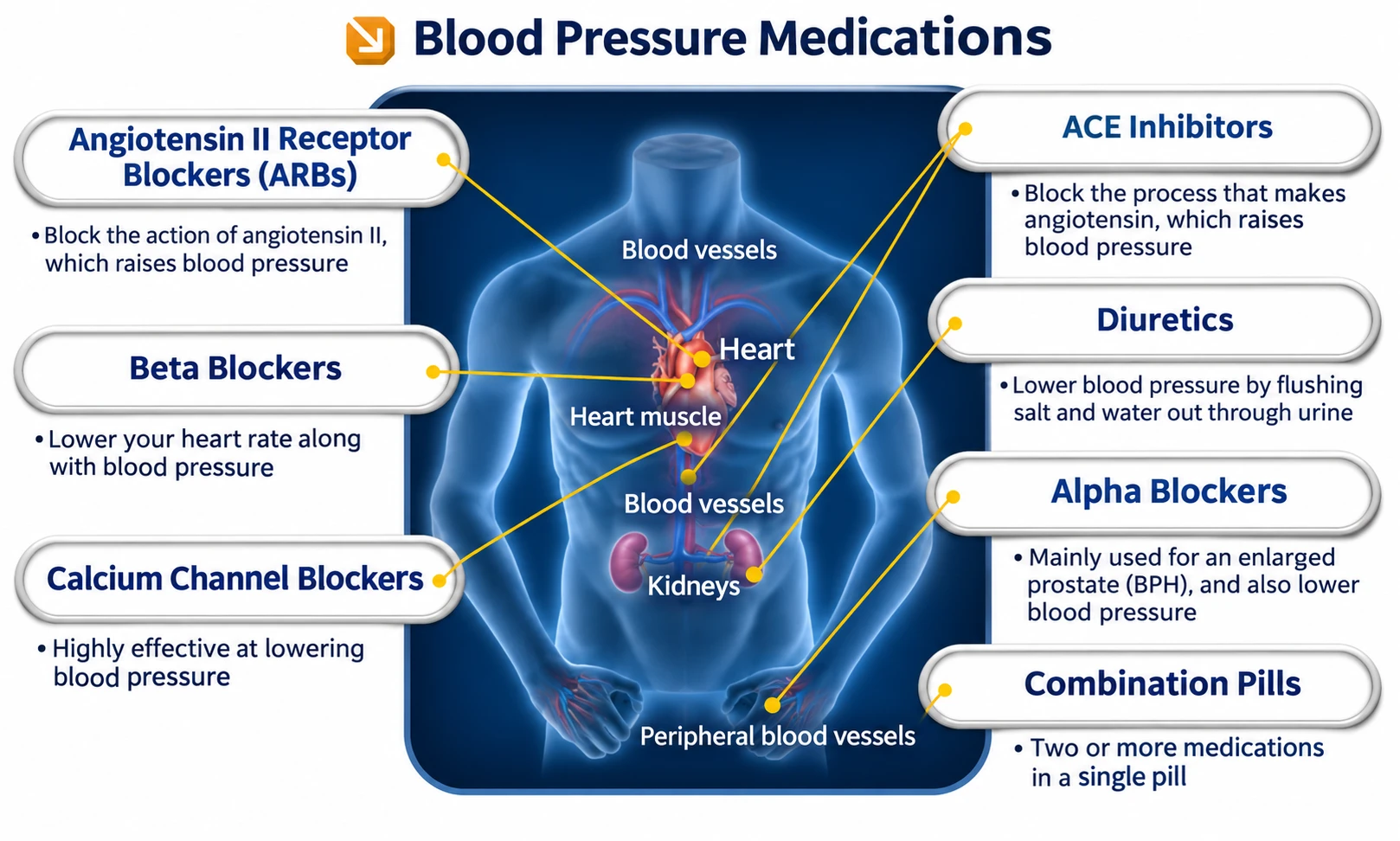
Blood pressure medications are grouped by how they lower blood pressure:
① reducing the amount of fluid in the body
② blocking substances that narrow blood vessels and widening blood vessels
③ keeping the heart from contracting too hard
Doctors also look at the overall picture, including how high your blood pressure is, other conditions you have, and your risk factors, and choose the blood pressure medication that fits each person.
Don’t Rely on Blood Pressure Medication Alone
For people with high blood pressure, medication is very important.
There’s no medicine as good as blood pressure medication at preventing complications for such a low cost.
But did you know that blood pressure medications, along with cholesterol medications and others, are specific medications that can deplete the nutrients in your body?
Medications are made to treat disease, but as a medication does its job of treating, it can unexpectedly cause nutrient deficiencies.
That’s why, for people with chronic conditions, nutrients have no choice but to keep draining away for as long as they take their medication.
No matter how much a medication depletes nutrients, people with chronic conditions have to take it, so you need to manage your health by replenishing what’s been lost.
3. How to Lower Blood Pressure
Method 1) Improve Your Lifestyle

These are must-follow guidelines if you have high blood pressure.
① Limiting sodium to less than 2,300 mg a day[5] lowers systolic blood pressure by about 5 mmHg.
Please go easy on salty foods like canned soups, processed meats, and fast food.
② High blood pressure is closely tied to body weight, and losing weight lowers blood pressure.
The recommended body mass index, BMI (weight/height²), is around 25 kg/m², and it’s a good idea to try to lose at least about 10 pounds.
③ Drinking and smoking raise blood pressure and make you more resistant to blood pressure medication.
Smoking in particular is a powerful risk factor, so even if you’ve lowered your blood pressure, if you keep smoking, it’s hard to lower your risk of cardiovascular and cerebrovascular disease.
But I know these lifestyle changes aren’t as easy as they sound.
Changing habits you’ve had for years is really hard.
Method 2) Nutrients That Help Manage Blood Pressure
That’s why, for people with high blood pressure, alongside medication and lifestyle changes, on top of replenishing the nutrients that have been depleted,
I recommend taking nutrients that have been proven to support blood pressure, blood vessels, and blood as the surest way to keep your blood pressure healthy over the long term.
So what are the key nutrients for blood pressure, blood vessels, and blood?

Among ingredients for blood pressure, CoQ10 (also called coenzyme Q10) is one of the best-known and most widely used.
It’s even referred to as a dietary ingredient in FDA documents,[6] and because it has been used so widely around the world, there’s a wealth of research on it.
CoQ10, a nutrient essential for producing energy, is especially abundant in the heart, the organ that needs the most energy of all, which is why it’s also called the heart vitamin.
Your heart pumps nonstop, every minute and every second, to supply blood that circulates throughout your entire body, and it needs a constant supply of energy to do it.

Our bodies are made up of more than 60 trillion cells, and each of those cells has to make its own energy to function properly.
So cells convert nutrients from food, like carbohydrates, protein, and fat, into ATP and use it as their energy source.
ATP is produced in the mitochondria (the cell’s power plants), and the substance that sits inside the mitochondrial membrane and acts as a coenzyme needed to make ATP is none other than coenzyme Q10 (CoQ10).
In other words, without CoQ10 you can’t make ATP, and when CoQ10 drops, ATP production drops too, so your energy metabolism can’t run normally, and this keeps the heart muscle and blood vessels from contracting and relaxing properly, causing poor circulation and problems with your blood pressure.

On top of that, as mitochondria make energy, they inevitably produce free radicals along with it.
If these free radicals aren’t cleared in time and build up, cells get damaged and blood vessels lose their elasticity.
Then blood doesn’t circulate smoothly, and that ultimately leads to higher blood pressure.
In this process, coenzyme Q10 is well known as a functional ingredient that, through its antioxidant action, reduces cell damage and helps maintain healthy blood vessels, so it can have a positive effect on healthy blood pressure.

Let’s look at just a few studies that have actually shown the effect of coenzyme Q10 on blood pressure.
In an analysis of 12 trials involving a total of 362 people with high blood pressure,
coenzyme Q10, with no major side effects, lowered systolic blood pressure by up to 17 mmHg and diastolic blood pressure by up to 10 mmHg, showing that it helps with high blood pressure.[7]

In another study that evaluated how CoQ10 intake affects blood pressure in 109 people with essential hypertension, researchers found improvements in both systolic and diastolic blood pressure.[8]

Beyond that, in several studies where people with prehypertension or high blood pressure took 100 mg a day, side effects were mostly not observed.
CoQ10 also lowered blood pressure regardless of whether people were taking blood pressure medication, and the effect was even greater in groups that were low in CoQ10.

As you age, or because of certain medications, illnesses, or stress, the amount of CoQ10 your body makes drops sharply, and since it’s hard to get enough from food alone, it’s a good idea to replenish it with a supplement.
In particular, beta blockers, a common type of blood pressure medication, block the enzymes involved in making CoQ10 and interfere with CoQ10 production, so if you take blood pressure medication long term, your body’s CoQ10 can easily run low, making it a nutrient you need to replenish.
So which coenzyme Q10 should you choose?
4. How to Choose CoQ10 Blood Pressure Supplements
Tip 1) A Maximum of 100 mg

A daily intake of up to 100 mg is generally considered a safe amount of CoQ10.[10]
Most studies on CoQ10 and blood pressure also showed meaningful results based on taking 100 mg of coenzyme Q10 a day,[9] so to take it effectively and safely, I recommend a maximum of 100 mg a day.
Tip 2) Raw Material Quality (Origin/Purity)
If you look at low-cost products on the market, it’s not unusual for them to leave the country of origin off after the raw material name.
In most cases, that’s because they use relatively cheap raw materials from countries that aren’t preferred for food manufacturing to cut costs, and since they know consumers don’t favor those countries as food manufacturers, they simply don’t mention it.
That said, whether the origin is listed isn’t enough on its own to judge the quality of a raw material.
As a professional, the standard I care about even more is purity.
If purity is low, it’s only natural that it’s hard to get a meaningful effect as expected when you take it, and impurities or residual solvents from the manufacturing process can be left behind.
So when you look at a product page, be sure to check these two things:
1. Does it openly disclose the country of origin?
2. Does it use a high-purity raw material with impurities filtered out?
Supplements aren’t something you take once or twice and forget about.
They go into your body every single day.
Since you take them long term, it’s important to check carefully for safety.
Tip 3) BioPerine, the Key to Absorption ★
Does everything you take actually get absorbed by your body?
No matter how good the raw material and how much CoQ10 a product contains, it’s meaningless if your body can’t properly absorb it.
CoQ10 in particular is fat-soluble, so its absorption is low, but when you take CoQ10 together with BioPerine (black pepper extract), CoQ10 absorption goes up.

BioPerine, a natural bioavailability enhancer made by processing piperine, the compound behind black pepper’s spicy taste, helps boost the absorption of a wide range of nutrients.

In fact, compared with a group that took CoQ10 alone, the group that took CoQ10 together with BioPerine had about a 30% increase in blood CoQ10 levels, and about a 32% increase in the change in absolute levels, a statistically significant difference.[11]
So even among CoQ10 products with the same amount, a product that contains BioPerine is more effective.
Tip 4) Dual Function ★★★
This fourth standard is the one I want to stress the most.
It’s easy to think, As long as I take CoQ10 for blood pressure, I’ll be fine, or As long as I replenish the CoQ10 my blood pressure medication depletes, that’s enough.
But as a pharmacist, I see it a little differently.

If you take blood pressure medication, you absolutely need to take care of your liver health too.
The reason is how your body processes the medication.
Blood pressure medication isn’t something you take once and you’re done.
It’s a medication you take every day for life.
Every medication that enters your body has to go through your liver to be metabolized (detoxified).

In other words, if you take medication every day, your liver carries an ongoing load of metabolizing and processing it, and fatigue can build up in your liver.
When liver function declines, your overall metabolism slows down, and as a result, it can turn into a vicious cycle that negatively affects blood pressure management.

But what about the products on the market?
There are countless CoQ10 products, but most of them are made of a single ingredient that only emphasizes blood pressure support.
That may help keep your blood pressure numbers in check, but it doesn’t address the damage to your liver from processing medication for life.

So rather than stopping at simply lowering your blood pressure numbers, also caring for your liver, worn out from processing medication, is the key to managing high blood pressure.
CoQ10 supports healthy blood pressure and antioxidant activity.
Milk thistle supports liver health.
Only when these two come together can you get complete care: Blood Pressure Down, Liver Protected.
In fact, these two ingredients play complementary roles, filling in for each other’s gaps during the metabolic process.
So rather than going to the trouble of taking them separately, choosing a Milk Thistle CoQ10 product designed from the start so that the two mechanisms work in synergy is a far more sensible choice in terms of both cost and efficiency.

If you search for Milk Thistle CoQ10, you’ll find a variety of products.
I won’t single out a specific brand to recommend, but check whether it’s a supplement with a combined formula of the two ingredients I mentioned above, not just a single ingredient.
Rather than being tempted by products that are too cheap, put the amount and combination of ingredients first, and if you choose a product with enough purchases that you can check reviews from real users, you can greatly lower your chances of making a bad choice.
A Pharmacist Mom’s Final Advice
With high blood pressure, the goal should go beyond your current blood pressure numbers to preventing complications over the long term and improving your quality of life.
Taking your blood pressure medication is of course important, but by also taking nutrients that your medication may deplete, and nutrients that support blood pressure, blood vessels, and blood, you need to think it through and keep improving, so you don’t just rely on your medication and feel reassured.
Above all, consistent care and attention are what matter most to keep your blood pressure at a healthy level and live a healthy life over the long term.
If you have any other questions, please leave a comment, and I’ll answer as quickly as I can.
Thank you for reading this long post today.
References
[5] U.S. Food and Drug Administration. Sodium in Your Diet.
*This content has not been evaluated by the U.S. Food and Drug Administration (FDA). This product is not intended to diagnose, treat, cure, or prevent any disease.