Hi, I’m Pharmacist Mom.
Today I want to share my husband’s gout story.
Can you get gout in your 30s?
We didn’t want to find out either.
He didn’t even know the word “gout” until he was diagnosed with it.
Gout used to be seen mainly as a disease of men in their 50s and 60s, but these days it’s not unusual to see it in men in their 30s and 40s, too.
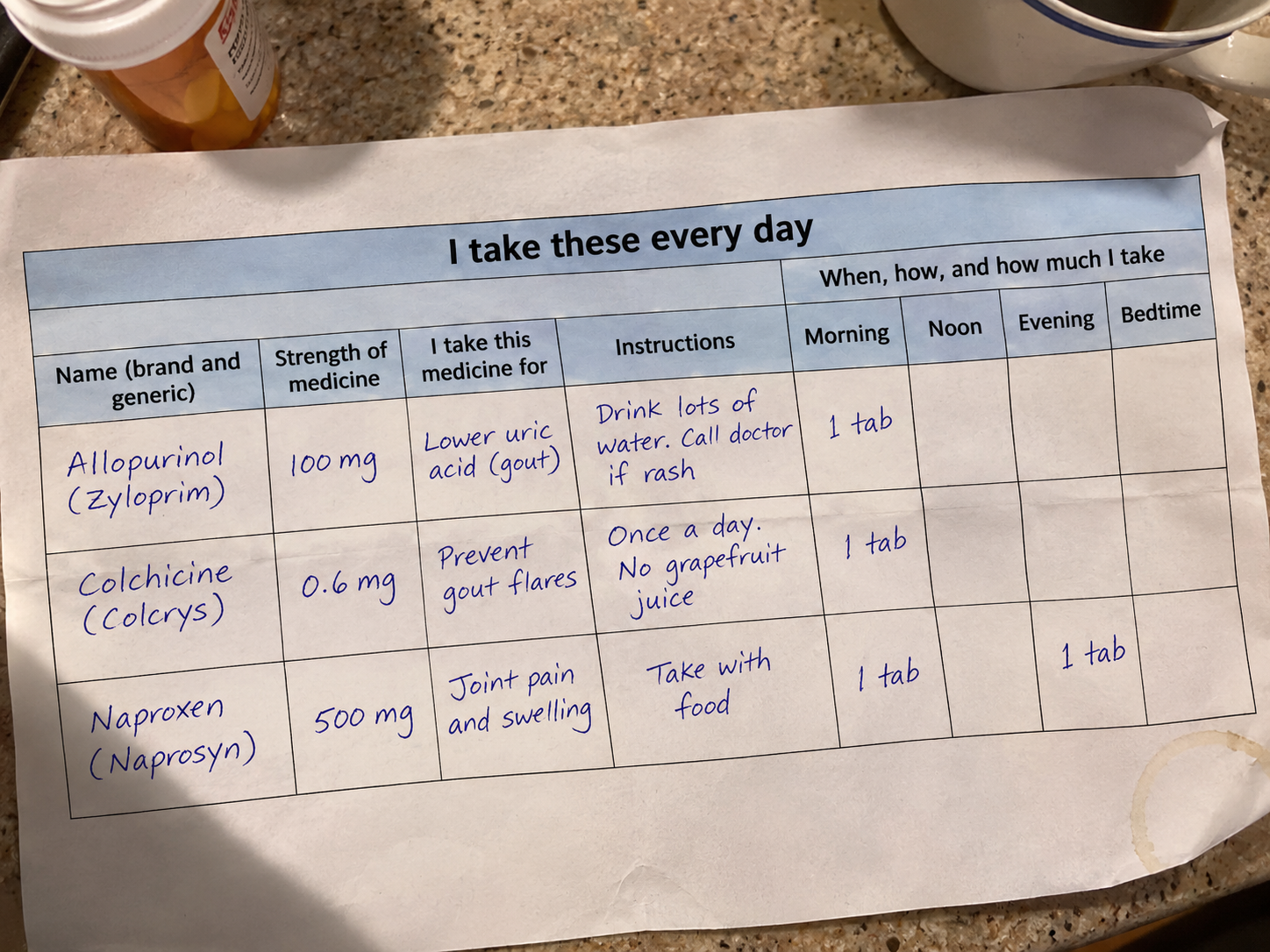
It’s already been five years since he went to the doctor for pain in his big toe, was diagnosed with gout, and started taking prescribed medication.
These days he’s living peacefully without painkillers, and I started this blog post hoping it helps everyone out there living with gout.
There’s no cure for gout, but there are ways to live well with it.

As I mentioned above, he was diagnosed with gout after a sudden gout attack, but today he’s managing it well with barely any medication.
Because of that big-toe pain, so excruciating he couldn’t sleep once it started, he has tried just about every gout medication and everything said to be good for gout.
It’s no exaggeration to say we now know just about everything there is to know about gout.
Like high blood pressure or high cholesterol, gout has no cure, so it needs steady management.
As the saying goes, “the best treatment is prevention,” and gout also needs steady management so it doesn’t come back.
But most people with gout stop as soon as the pain goes away.
All they want is a medicine on hand to stop the symptoms in front of them.
I bet quite a few of you felt a little called out just now.
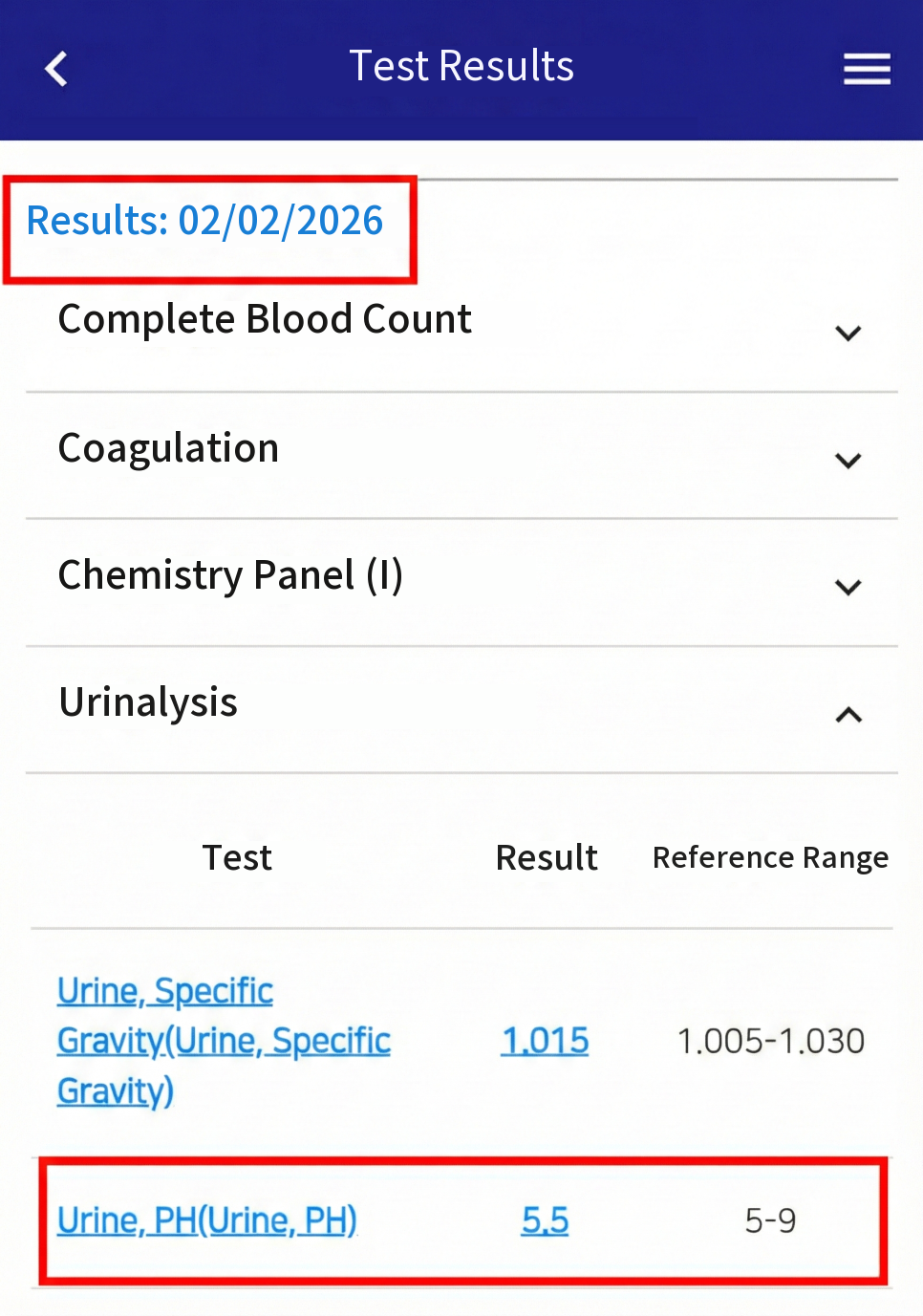
This is his actual test result from bringing his uric acid levels from 9.3 mg/dL back down to the normal range of 5.5 mg/dL.
He found the root cause of his gout and how to manage it, and for now, his condition has improved a lot.
The reason his uric acid is so well managed today is that, early on after his gout started, he turned his diet completely around and brought his uric acid down quickly.
His doctor raved that he’d never seen a case where uric acid came down this fast.
Today I want to share all of the know-how he picked up through trial and error to get out of that pain: his 5-year record.
If you’re curious about what changed after he tried foods and supplements said to be good for gout, reading to the end of this post will definitely help.
1. What Causes Gout and What Are the Symptoms?
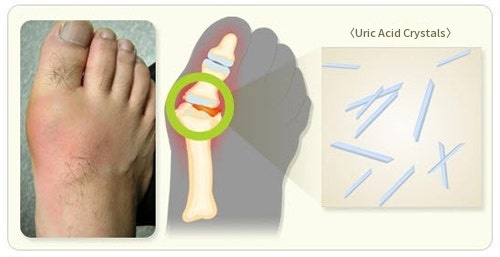
When people with gout get a checkup, they’re told their “uric acid levels are high,” and this high uric acid is the root cause of gout.
Foods like meat and seafood, and even the cells in your body, contain something called purines.
When purines break down, they turn into uric acid.
Most of this uric acid is filtered by your kidneys and leaves your body in your urine.
As long as your body gets rid of about as much as it makes, your uric acid level stays in check.
But when, for various reasons, too much uric acid is made or it isn’t excreted properly, uric acid starts to overflow in the blood.
The longer this goes on, the more the uric acid clumps together and hardens into needle-shaped crystals around the joints, which cause severe inflammation and pain.
That’s gout.

Early gout symptoms mostly show up in small joints like the big toe, ankle, and knee, and the hallmark is severe, needle-like stabbing pain.
The problem is that symptoms come without warning.
Unlike typical arthritis, where pain builds slowly, it hits suddenly like an attack with no warning signs, which is why it’s medically called a “gout attack.”
And it’s not just “huh, that kind of hurts.”
It’s the kind of pain that makes you scream.
The word “gout” comes from the Latin gutta, meaning “drop,” from the old belief that the disease was caused by harmful fluids dripping into the joints.
It’s known for pain so intense that even a bedsheet brushing against the toe can hurt.
An attack usually lasts around 10 days before settling down, but if you leave it unmanaged just because the pain is gone, you’re at risk of complications.
Gout doesn’t only affect the joints.
Uric acid crystals can build up anywhere in the body, so the longer you leave it, the wider the problems it causes.

There are many reasons uric acid builds up, such as kidney problems or lymphoma, but the biggest one is diet.
The best-known high-purine foods that are bad for gout are meat and alcohol, and lately, more young people are getting gout from taking too many protein supplements.
In the end, since gout happens when too much uric acid builds up in the blood, the key to treatment is managing your uric acid levels.
2. How to Manage Gout, a Condition That Keeps Coming Back
Method 1) Medication
Gout medications fall into two main types.
1) Treatment when an acute attack happens
2) Treatment that lowers uric acid levels after you recover from an attack
During an acute attack, treatment focuses on calming the inflammation and easing the pain.
Once the attack settles, blood uric acid levels are controlled with medications that block uric acid production or help the body excrete uric acid.
In the end, the key to treating gout is to calm inflammation to reduce pain and to block uric acid production or help it leave the body smoothly.

However, gout medications only ease inflammation or pain temporarily, or lower uric acid on paper.
They can’t change a body that tends to build up uric acid.
That’s exactly why uric acid can shoot back up at any time if you stop the medication or let your guard down even a little.
Of course, I’m not saying gout medication doesn’t work.
It’s just that medication only eases discomfort temporarily.
It isn’t a way to treat the root cause.
In other words, the key to treating gout is to focus your management on these two things:
1) Avoid high-purine foods
2) Lower uric acid levels (= excrete uric acid)
That’s how you keep gout under control.
Method 2) Diet
As I’ve said several times, the foundation of gout management is improving your diet.
High uric acid means you’ve often eaten foods high in purines, so focusing on low-purine foods is the most basic step in managing gout.

It’s best to avoid high-purine foods as much as possible, such as beer and other alcohol, meat, organ meats, oily fish, squid, and protein supplements.
“But is that ever easy?”
At first, scared of gout attacks, people often go to extremes, cutting out foods and vowing to manage it strictly.
But once the pain slowly fades, many slide right back into the old bad habits that caused gout in the first place, as if nothing ever happened.
Realistically, it’s not easy to live holding back on the foods we love to eat.
That’s why, rather than going to extremes and not eating, it’s important to change your eating and lifestyle habits little by little to reduce what makes your blood more acidic and build an environment where uric acid can leave the body smoothly.
3. Alkaline Foods That Help Your Body Excrete Uric Acid
For uric acid to leave the body smoothly, it’s important to lower the acidity of your blood.
To do that, cutting back on acid-forming foods matters, but eating alkaline foods steadily directly helps create an environment for uric acid excretion.
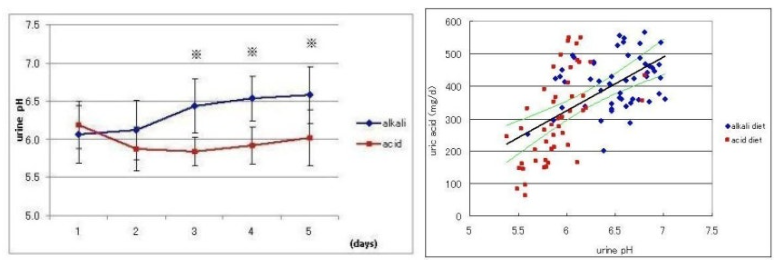
In an actual study, eating alkaline foods raised urine pH, showing that the urine became more alkaline.
The study also confirmed that the higher the urine pH (= the more alkaline), the more uric acid was excreted.[1]
Beyond that, several papers have repeatedly concluded that eating alkaline foods is effective for uric acid excretion.

The NIH’s National Institute of Arthritis and Musculoskeletal and Skin Diseases (NIAMS) also recommends a diet with plenty of vegetables and fruits, noting that it may help lower blood urate levels.[2]
Well-known alkaline foods include vegetables, fruits, and seaweed.
Out of all of them, we started looking for the most powerful alkaline food proven in actual research, and the ingredient that came up again and again across countless sources was spirulina.
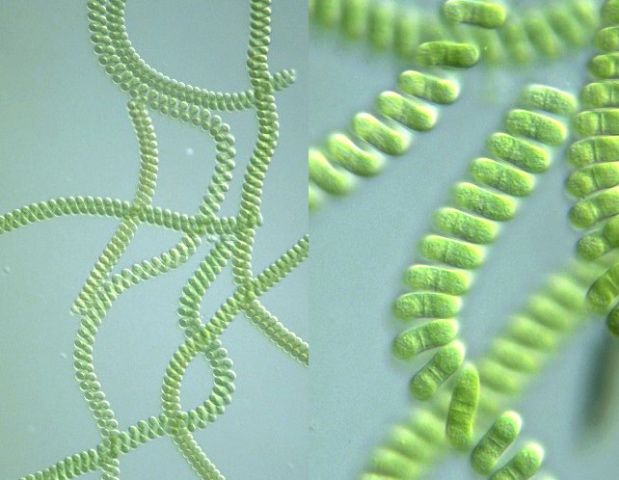
Spirulina is known to have an alkalinity of 40 to 50, about three or more times higher than ordinary vegetables and about twice as high as chlorella.
That makes it a strongly alkaline food, more than twice as alkaline as chlorella, another chlorophyll-rich food.
Taking 1 g or more of spirulina a day is widely known to alkalize the blood and lower uric acid levels, so you can expect it to help prevent gout from coming back.[3]
Spirulina also has thin cell walls, so it has a high digestion and absorption rate (95%), and it has heavy-metal-flushing and various detox effects, too.
Because it has so many benefits for the human body, it’s been called a food of the future and a superfood, and it’s so nutritious that NASA has studied it as a candidate food for space missions.
So, Does It Actually Work?
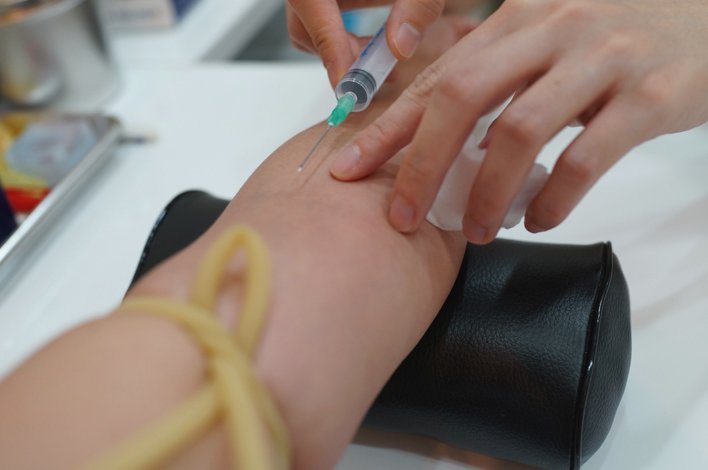
As he tried supplements one by one, we wondered, “Is this really working?” and “Are we just throwing money away?”
So he had his blood tested regularly through his primary care provider.
You could call it our own little clinical trial.
Of all the supplements he tried, his uric acid showed the sharpest drop after he started taking a freeze-dried spirulina product.
4. How His Uric Acid Levels Changed
Since he has gout, he kept taking his gout medication while gradually improving his meat-and-alcohol-heavy diet, and he got his alkaline foods from a supplement.
As a result, we could see his uric acid levels change meaningfully and improve.
His doctor also praised him, saying a drop this fast is very rare.
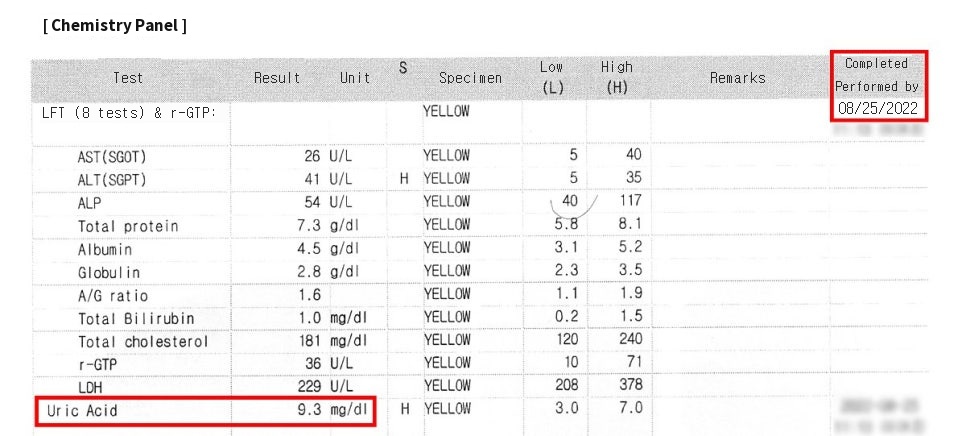
This is the test result he got around the time he was diagnosed with gout.
His uric acid came out at 9.3 mg/dL.
After that, pain in his left foot kept going day and night, and he realized he needed to manage it, so he started this routine:
Limiting high-uric-acid foods
+
Exercise
+
1 g of spirulina
Here’s how his uric acid test results changed after managing it this way.
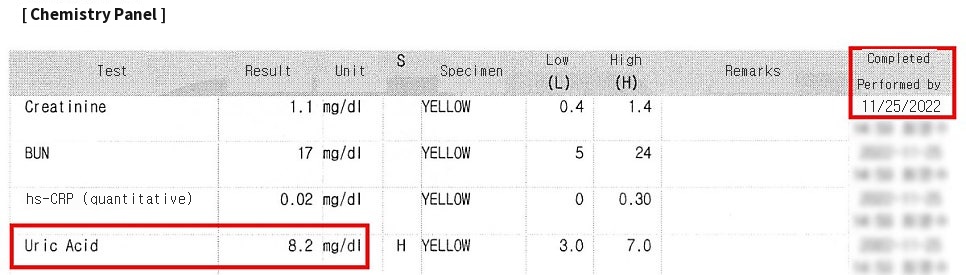
When he had his uric acid tested again three months after starting spirulina, it had dropped to 8.2 mg/dL.
Three months can feel both long and short, but thanks to steady management, he was able to lower it by 1.1 mg/dL.
Since gout needs steady management, on top of the basic care he has to do anyway, he plans to keep taking spirulina.
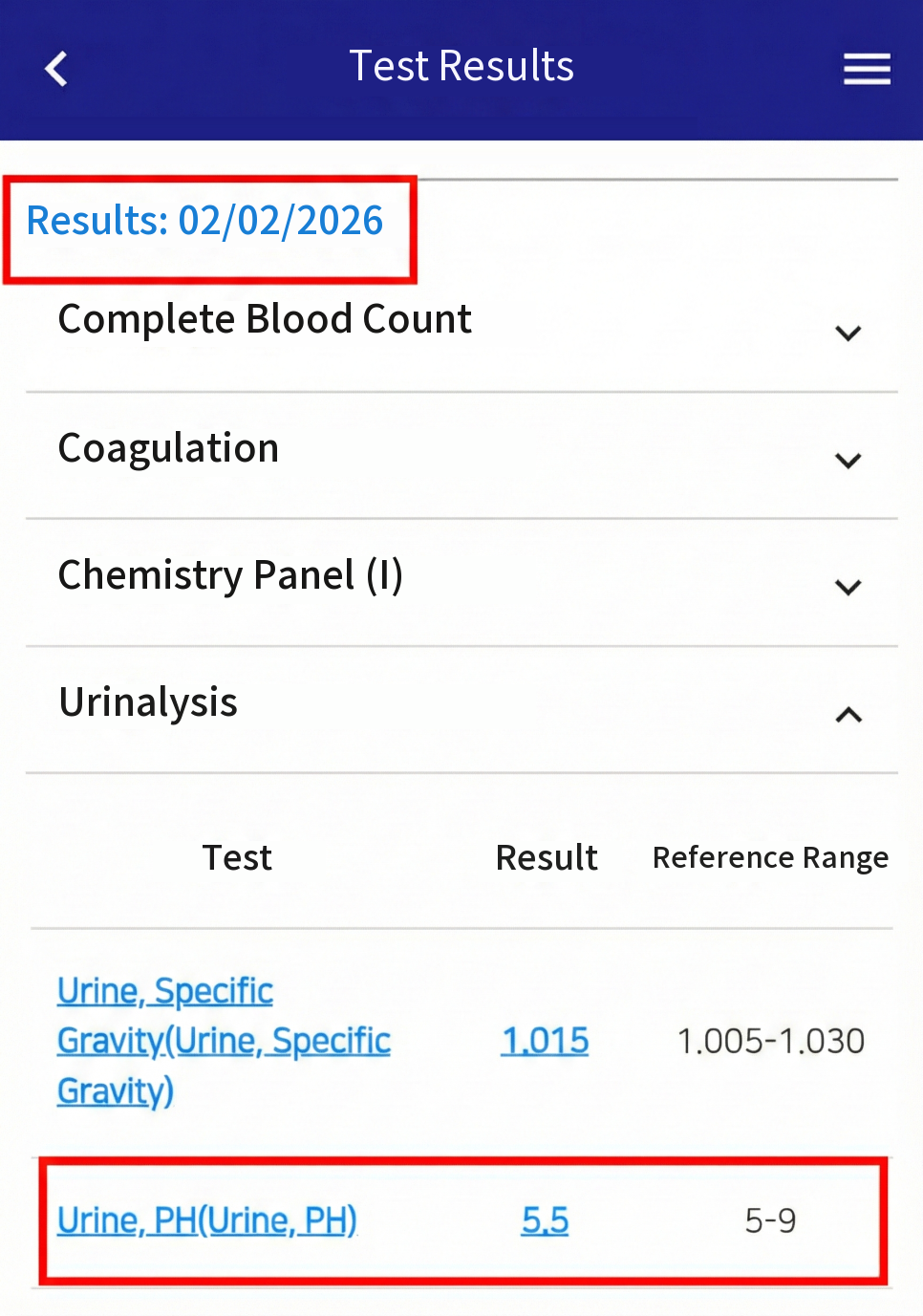
* Latest update (Feb 2, 2026): he’s kept up the routine above, and his levels have come down into the normal range.
(His doctor still praises him for managing it so well.)
With his doctor’s guidance, he gradually cut back on his medication, and these days he barely needs it.
5. Products He Actually Tried
Product 1) Spirulina ★★★

This is the spirulina product he takes.
He chose it because its ingredients and amounts were a great fit for managing gout.
As I mentioned, spirulina is a strongly alkaline food that neutralizes acidified blood, which is why it’s expected to help with gout management when acidic foods are the trigger, and why I called it the supplement I recommend most.
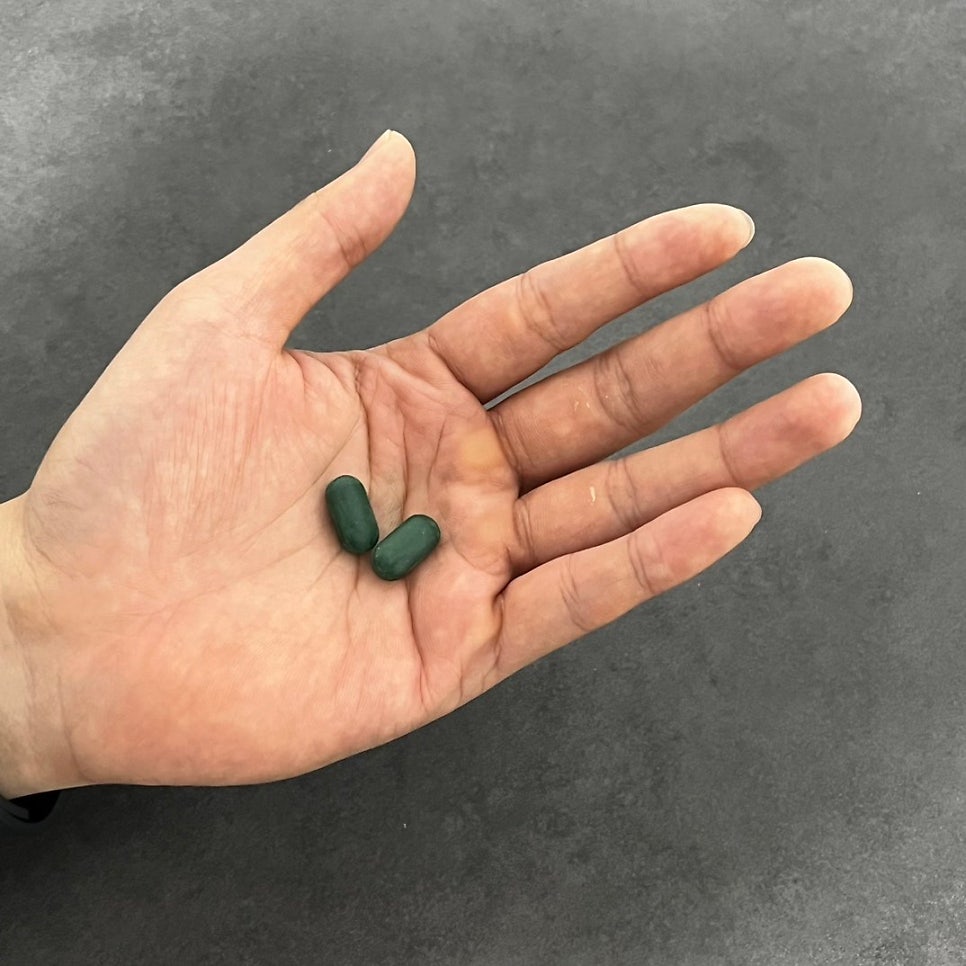
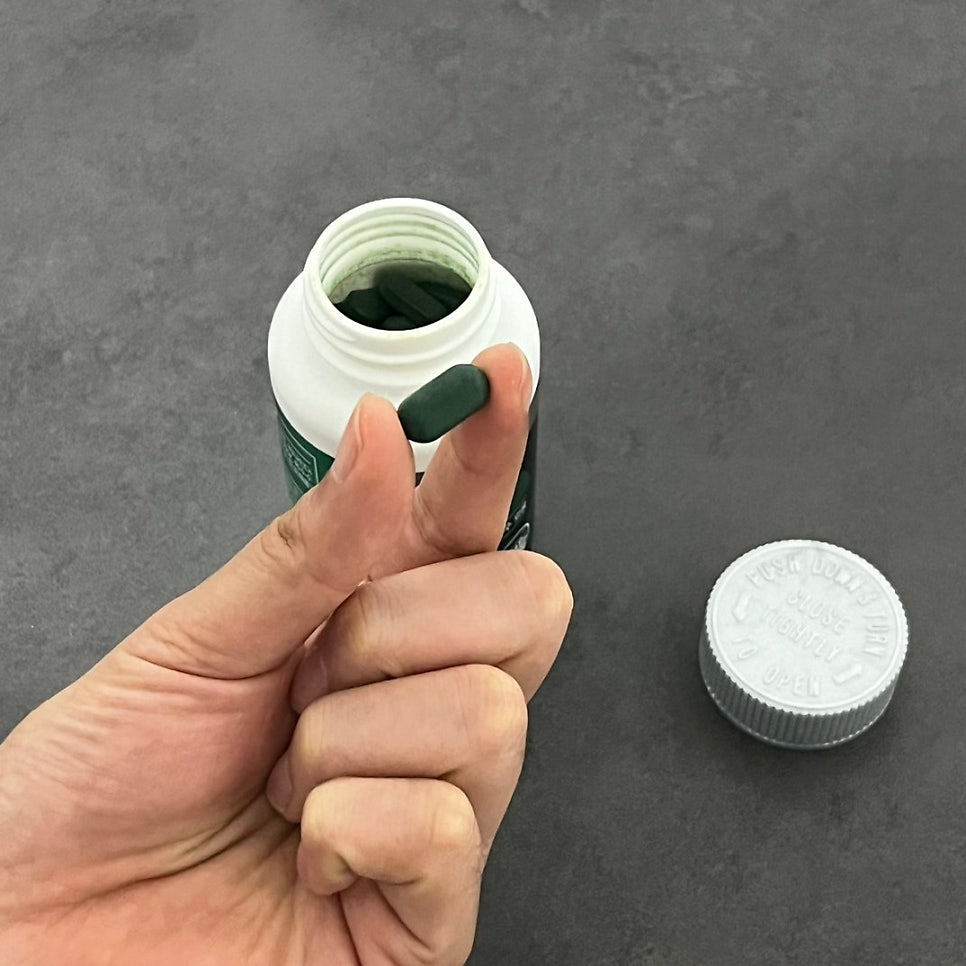
* This is the spirulina tablet product he first bought and took.
Most spirulina on the market comes as round tablets, and you’re supposed to chew them.
Anyone who’s tried it knows: chewed, it tastes like awful moss.
The spirulina sticks to your teeth, turns your whole mouth green, and leaves a really unpleasant feeling behind.
He once tried a different spirulina, but the fishy taste was so strong he couldn’t keep taking it.
The fishy smell really turned him off.

When we looked into why, we learned that spirulina is normally practically tasteless, like plain tofu, but spirulina products on the market are generally grown outdoors, where impurities from the sea can get mixed in.
Because outdoor cultivation generally draws in seawater as is, the spirulina can be exposed to all kinds of contaminants, and that’s also where the fishy taste comes from.

The freeze-dried spirulina product he’s been taking steadily ever since isn’t the usual chewable tablet.
It’s a powder you just swallow with water, and it’s nearly tasteless, so it’s easy to take.
It also had no fishy smell or taste, and when we looked into it, we found it’s made through indoor cultivation.
Indoor cultivation doesn’t use seawater.
It artificially creates the right environment for spirulina to grow, so it can be cultivated purely, with the advantage that no sea impurities get mixed in.
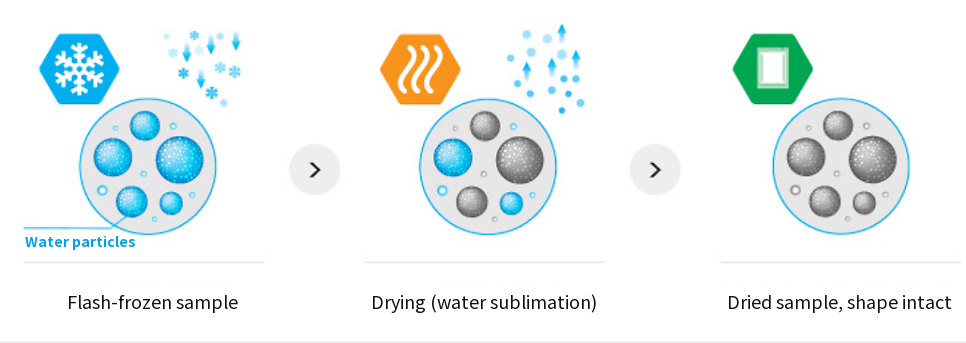
Another plus is that this product is made with a freeze-drying process that applies no heat or pressure, so the nutrients, including protein, the core of spirulina, are preserved as they are.
Without freeze-drying, spirulina’s key components aren’t preserved, so it’d be hard to get its full benefits.
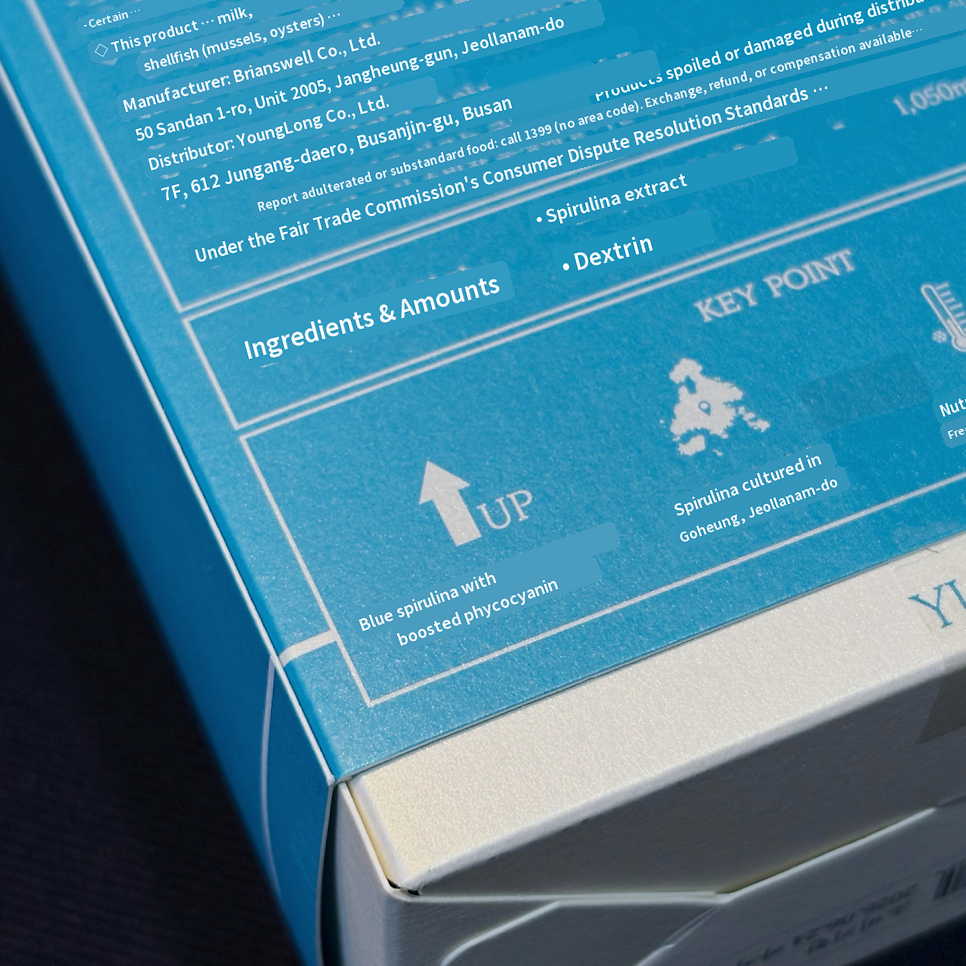
For uric acid excretion in particular, the key is a blue protein in spirulina called phycocyanin.
This freeze-dried spirulina product is a special spirulina with boosted phycocyanin content, which makes it a great fit for supporting healthy uric acid levels.
Having seen his uric acid drop so sharply, I don’t think there’s anything quite like it.
* We kept getting questions, so I’m leaving the link below.
Even if it’s not this product, I really hope you’ll make spirulina part of your routine.
YoungLong Snow Spirulina (Freeze-Dried) – Blue Phycocyanin, Indoor-Cultured
It’s usually more affordable to buy online when there’s a discount.
He needs to take it for at least 4 months, so we usually stock up when it’s on sale.
Product 2) 100% Tart Cherry Juice
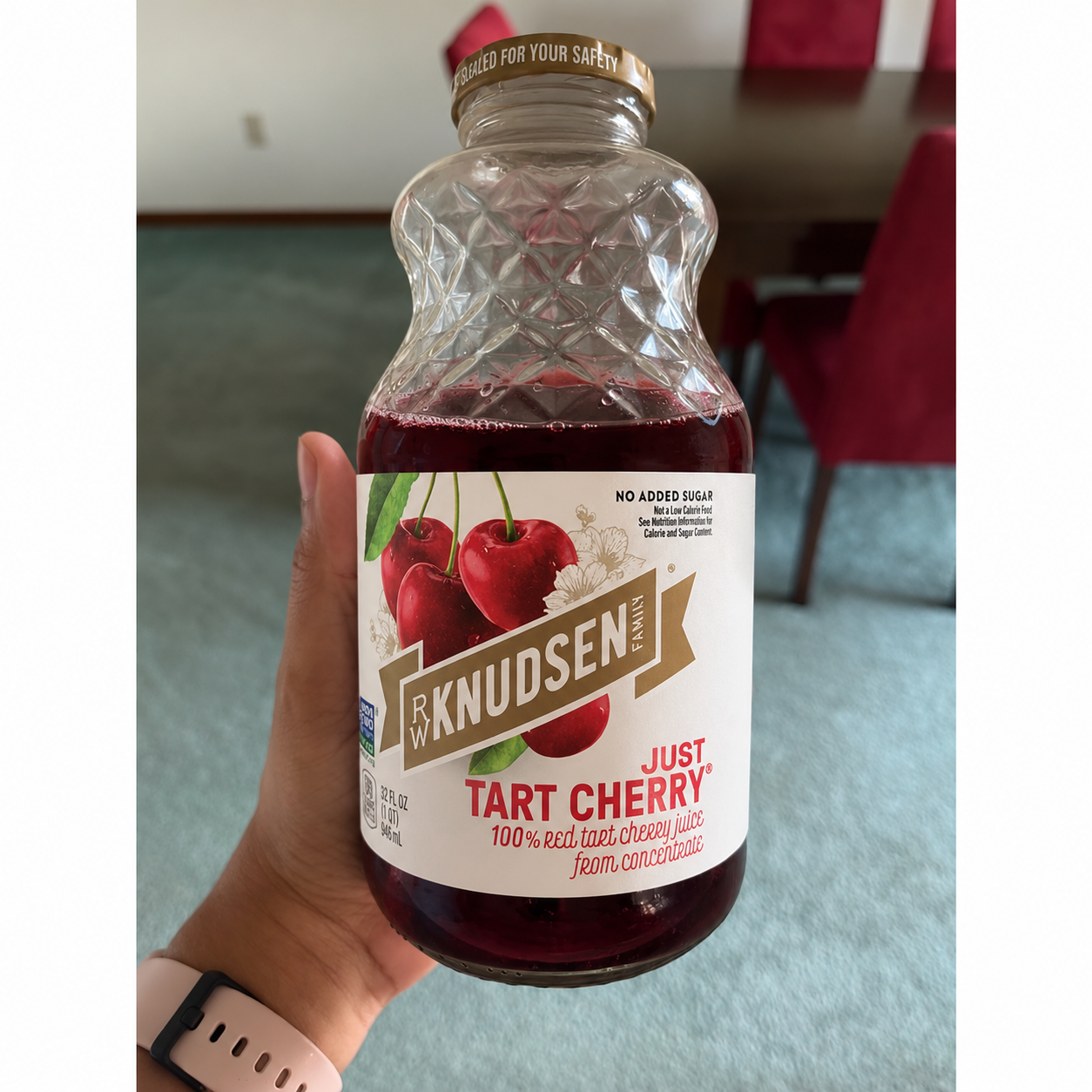
This is the tart cherry juice he’s no longer taking.
He took it because it’s said to be good for uric acid, but he couldn’t really tell if it lowered anything.
He found it while shopping online for tart cherry juice, and the price was right.
Since it’s a juice, it was easy to take.
These days they’re all NFC (not from concentrate) with similar ingredients, so there doesn’t seem to be much difference between products.
You’re supposed to take it 2 to 3 times a day, but honestly that was hard to keep up with, so he took one packet a day.
It’s inexpensive, so it’s a good one to try.
It didn’t work for him, so he doesn’t take it anymore, and since it was a budget-friendly online order, I won’t attach a link to where he bought it.
6. Final Summary
1. The cause of gout is “high uric acid levels,” and greasy, high-purine foods make gout worse.
2. Early gout symptoms include acute gout attacks, a burning sensation, redness, and swelling.
3. Since there’s no cure, ★it has to be managed steadily by improving your habits★.
(e.g., no meat, organ meats, or alcohol)
4. Alkaline foods include vegetables, chlorella, and spirulina.
5. Spirulinais a strongly alkaline food that alkalizes urine and may support uric acid excretionand gout management.
For spirulina, “freeze-dried spirulina” is recommended, since less of its nutrients are destroyed by heat.
Today we talked about gout.
Whether gout comes back depends on how well you keep your lifestyle habits healthy and manage your uric acid.
Cutting back on just one more drink, drinking a little more water: right now, each small choice like these will change your health going forward.
To everyone out there living with gout, I sincerely hope you sleep soundly tonight, free of pain.
References
*This content has not been evaluated by the U.S. Food and Drug Administration (FDA). This product is not intended to diagnose, treat, cure, or prevent any disease.